
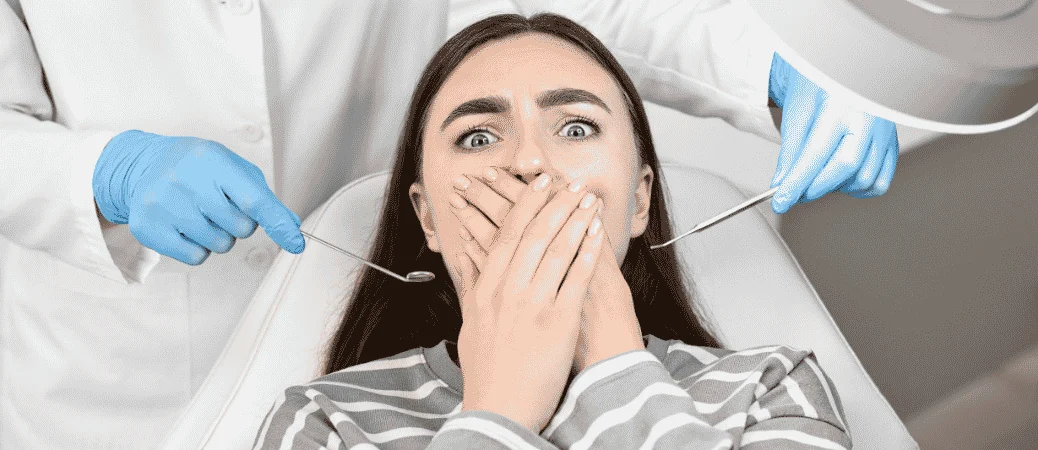
Many people put off going to the dentist for years because of fear, anxiety, or bad past experiences. You might feel embarrassed about the condition of your teeth or worry about pain during treatment.
Sedation dentistry provides a safe way to help patients stay calm and comfortable during dental procedures, allowing you to finally get the care you need without overwhelming stress.
Avoiding dental visits often becomes a long-standing pattern that starts with dental anxiety and continues for years. The longer you wait, the harder it feels to make that first appointment.
Sedation options can help break this cycle by removing the fear that keeps you away from the dentist’s office.
If you haven’t seen a dentist in years, you’re not alone. Feelings of shame, embarrassment, and fear of judgment prevent many people from seeking help, even when they are in pain.
Understanding how sedation dentistry works can give you the confidence to take that important first step toward better oral health.
Key Takeaways
- Sedation dentistry uses medication to help anxious patients feel relaxed and comfortable during dental procedures
- Different sedation options are available depending on your level of anxiety and the type of treatment you need
- You can overcome years of dental avoidance and receive necessary care without fear or distress
Understanding Dental Anxiety and Avoidance
Many people put off dental visits because of fear, past bad experiences, or feeling overwhelmed by the sights and sounds of a dental office. These feelings can grow stronger over time and lead to years of avoided care.
Common Causes of Dental Fear
Your dental anxiety might come from several different sources. Past negative experiences at the dentist often create lasting fear that makes you want to avoid future appointments.
If you had pain during a childhood procedure or felt helpless in the dental chair, those memories can stick with you for decades.
Fear of pain ranks as one of the most common reasons people avoid the dentist. You might worry that treatments will hurt or that numbing won’t work well enough.
The fear of needles used for local anesthesia also keeps many people away from dental offices.
Sensory sensitivities can make dental visits feel overwhelming. The bright lights, loud drilling sounds, tastes of dental materials, and feeling of tools in your mouth can trigger anxiety.
Some people also struggle with a strong gag reflex that makes dental work uncomfortable.
Loss of control is another major trigger. When you’re lying back in the dental chair with your mouth open, you can’t talk or move easily. This vulnerable position makes some people feel trapped or panicked.
Impact of Long-Term Dental Avoidance
When you avoid the dentist for years, small problems turn into big ones. A cavity that could have been fixed with a simple filling might grow into an infection that needs a root canal or extraction.
Gum disease can progress from early gingivitis to advanced periodontitis, which can cause tooth loss.
Your overall health suffers too. Dental problems that worsen over time can lead to infections that spread beyond your mouth. Poor oral health connects to heart disease, diabetes complications, and other serious conditions.
The emotional toll adds up as well. You might feel embarrassed about your teeth or avoid smiling in photos. The guilt and shame about neglecting your dental health can create a cycle where anxiety keeps you away even longer.
The longer you wait, the more extensive dental work you’ll likely need. This can make your first visit back more expensive and time-consuming, which reinforces your desire to avoid the dentist.
Recognizing Dental Phobia vs. Dental Anxiety
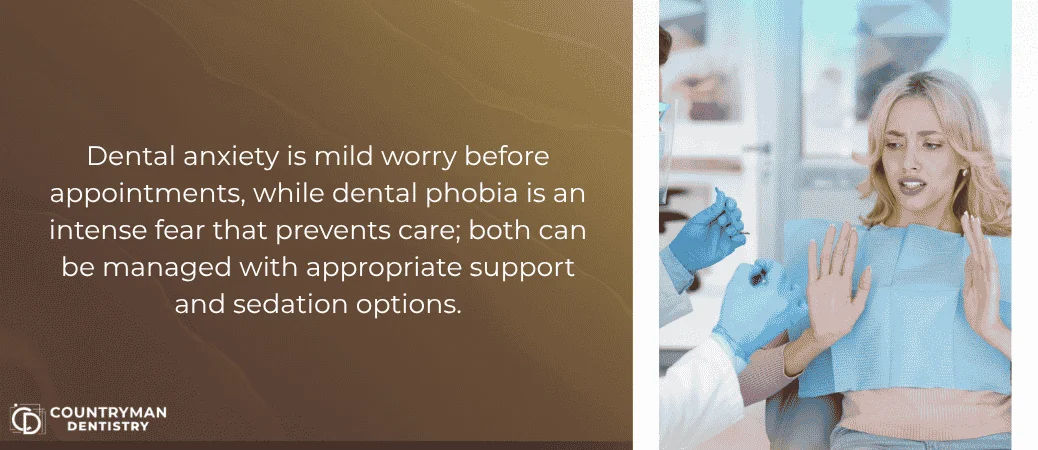
Understanding the difference between dental anxiety and dental phobia helps you find the right solution. Dental anxiety means you feel nervous or worried about dental appointments.
You might have sweaty palms or an upset stomach before your visit, but you can still make yourself go.
Dental phobia is more severe. It’s an intense, overwhelming fear that prevents you from getting dental care at all. If you have dental phobia, you might experience panic attacks at the thought of going to the dentist.
You’ll cancel appointments repeatedly or simply never schedule them in the first place.
People with dental phobia often know their fear is excessive but feel powerless to overcome it. They might wait until they have a dental emergency with severe pain before seeking help.
By that point, the treatment needed is often more complex and reinforces their fear for the future.
Both dental fear and anxiety respond well to sedation dentistry options. Your dentist can help you figure out which level of sedation matches your needs.
Sedation Dentistry Explained
Sedation dentistry uses medication to help you stay calm and comfortable during dental procedures. Your sedation dentist can offer different sedation methods based on your anxiety level and the type of treatment you need.
How Sedation Dentistry Works
What is sedation dentistry? It’s a practice where your dentist gives you medication to reduce stress and fear during appointments.
The medication helps you relax while keeping you awake enough to respond to questions. Most sedation methods create what doctors call conscious sedation, meaning you won’t feel pain but can still follow simple instructions.
Your dentist will choose the right sedation level based on several factors. These include how anxious you feel, how long your procedure will take, and your overall health.
Common reasons dentists recommend sedation include:
- Strong fear of dental treatment
- Very sensitive teeth or gag reflex
- Fear of needles
- Trouble sitting still for long periods
- Past negative dental experiences
Conscious Sedation vs. Sleep Dentistry
Conscious sedation keeps you awake during treatment but deeply relaxed. You might feel drowsy or even doze off, but your dentist can easily wake you when needed.
Sleep dentistry is different from what most modern dentistry practices offer. True sleep requires general anesthesia, which puts you completely unconscious. This typically only happens in hospital settings or specialized surgical centers.
With conscious sedation, you remain responsive throughout your appointment. You may not remember the procedure afterward, especially with deeper sedation levels.
This memory loss is normal and helps create a positive dental experience.
Modern Dentistry Approaches
Today’s sedation dentists offer three main options to match your needs.
Nitrous oxide (laughing gas) works within minutes through a small mask. You breathe it in during treatment and feel calm quickly. The effects wear off fast, so you can drive yourself home.
Oral sedation involves taking a pill about an hour before your appointment. You’ll feel very relaxed and might fall asleep in the chair. Someone needs to drive you home since the effects last several hours.
IV sedation delivers medication through a vein in your arm. This provides the deepest level of conscious sedation available at most dental offices. Your dentist monitors your heart rate and breathing throughout the procedure.
Types of Dental Sedation Options
Dentists offer several sedation methods to help you feel comfortable during treatment, ranging from mild relaxation with nitrous oxide to deeper sedation through IV medications.
Each option works differently and fits specific needs based on your anxiety level and the type of procedure you’re having.

Nitrous Oxide and Laughing Gas
Nitrous oxide, commonly called laughing gas, is the mildest form of sedation available at most dental offices. You breathe it in through a small mask that fits over your nose, and you’ll start feeling calm and relaxed within three to five minutes.
Your dentist can adjust how much nitrous oxide you receive throughout your appointment. The gas wears off quickly once the mask comes off, and you’ll be able to drive yourself home right after your visit.
This sedation option works well if you have mild anxiety or need a short procedure like a cleaning or filling. You stay fully awake and can respond to your dentist’s instructions.
Many patients who avoided the dentist for years find that nitrous oxide sedation gives them just enough relaxation to get through their appointment without fear.
Oral Sedation and Oral Conscious Sedation
Oral sedation involves taking a prescription pill about an hour before your dental appointment. Your dentist might give you medications like triazolam or lorazepam, which are in the same family as common anti-anxiety drugs.
This type of conscious sedation dentistry makes you feel very drowsy and relaxed. You might even fall asleep during your procedure, but your dentist can easily wake you if needed.
You’ll remain conscious enough to respond to questions and follow simple instructions.
You won’t be able to drive after oral sedation, so you’ll need someone to take you home. Most patients don’t remember much about their procedure afterward.
This sedation method helps if you have moderate to severe dental anxiety or need a longer treatment that might take an hour or more.
IV Sedation for Deeper Relaxation
IV sedation delivers medication directly into your bloodstream through a small needle in your arm. This is the deepest level of conscious sedation you can receive in a regular dental office.
A dental anesthesiologist or specially trained dentist will monitor your heart rate and blood pressure throughout the entire procedure. They can adjust your sedation level instantly based on how you’re responding.
You’ll feel extremely relaxed and will likely fall asleep during treatment.
When you wake up, you won’t remember anything about what happened during your appointment. This type of sedation dentistry works best if you have severe dental phobia, need extensive dental work, or require a procedure that takes several hours.
You must have someone drive you home and stay with you for the rest of the day.
General and Local Anesthesia
Local anesthesia numbs only the specific area where your dentist is working. Your dentist injects it into your gums to block pain signals from reaching your brain.
You stay completely awake and aware during the procedure, but you won’t feel any pain in the treated area.
General anesthesia puts you completely unconscious and is rarely used in regular dental offices. Hospitals or specialized surgical centers provide it for complex oral surgeries or for patients with special medical needs.
You’ll need an anesthesiologist present, and recovery takes much longer than with other sedation options.
Most dentists combine local anesthesia with one of the sedation methods mentioned above. The local anesthesia controls pain while the sedation helps you feel calm and relaxed.
Benefits of Sedation Dentistry for Anxious Patients
Sedation dentistry offers real solutions for people who struggle with dental anxiety and sensory sensitivities. It creates a calm environment where you can receive the care you need without fear or discomfort.
Pain-Free and Stress-Free Dental Care
One of the biggest benefits of sedation dentistry is that it helps you experience pain-free dental procedures without overwhelming stress.
When you’re sedated, your body stays relaxed and your mind remains calm throughout the appointment.
Your dentist can choose from different sedation levels to match your needs. Light sedation keeps you awake but relaxed, while deeper options help you feel less aware of what’s happening.
This means you won’t remember uncomfortable sounds, sensations, or procedures that might normally trigger your anxiety.
Many patients report having a positive dental experience with sedation because they finally receive treatment without panic or dread.
You can avoid the racing heartbeat and sweaty palms that used to keep you away from the dentist’s office for years.
Enabling Extensive and Multiple Procedures
Sedation makes it possible for your dentist to complete extensive dental work in fewer visits. When you’re relaxed and comfortable, your dentist can work more efficiently and tackle multiple problems during your sedation dentistry appointment.
This approach saves you time and reduces the number of trips you need to make. Instead of spreading treatments across several months, you might finish everything in one or two sessions.
Sleep dentistry allows dentists to work faster because you remain still and cooperative throughout longer procedures.
For people who avoided the dentist for years, this means catching up on neglected care more quickly. You can get fillings, extractions, and cleanings done together rather than facing multiple anxiety-inducing appointments.
Reducing Gag Reflex and Sensitivity
Dental sedation helps suppress a strong gag reflex that can make routine dental work nearly impossible.
If you’ve struggled with gagging during cleanings or impressions, sedation gives your dentist the ability to work without triggering this response.
Sedation also reduces your sensitivity to touch, pressure, and temperature in your mouth. This matters especially if you have sensitive teeth or gums that make even gentle cleaning uncomfortable.
You won’t feel the same intense sensations that might have caused you to tense up or pull away during past appointments.
These physical benefits combine with the mental relaxation to create a smoother experience for both you and your dental team.
Who Is a Candidate for Sedation Dentistry?
Sedation dentistry helps patients who struggle with fear or anxiety relax during dental procedures. Your sedation dentist will evaluate your specific needs and medical history to determine if this approach is right for you.
Ideal Patient Profiles
You might be an excellent candidate for sedation dentistry if you experience dental anxiety or dental phobia that keeps you from getting care.
Many people who fear the dentist cancel appointments or avoid treatment until problems become emergencies.
Common candidates include patients who:
- Feel intense fear or panic about dental visits
- Have a low pain threshold or sensitive teeth
- Need extensive dental work in one visit
- Have a strong gag reflex that makes treatment difficult
- Struggle to sit still for long periods
- Had traumatic dental experiences in the past
Patients with dental-related anxiety often benefit most from sedation options in modern dentistry. If you would rather skip dental appointments than face your fears, sedation can make treatment possible again.
Medical Screening and Safety Considerations
Your dentist will review your complete medical history before recommending sedation. You need to share all medications you take, allergies you have, and any health conditions you manage.
Important screening factors include:
- Current medications and supplements
- Pregnancy or nursing status
- Heart or lung conditions
- Sleep apnea or breathing problems
- Previous reactions to anesthesia
Dental professionals are trained to administer sedation safely and monitor your vital signs throughout treatment. Your dentist will track your breathing, heart rate, and blood pressure during the procedure.
Some patients may not qualify for certain sedation levels due to specific health risks, but lighter options often remain available.
What to Expect at Your Sedation Dentistry Appointment
Your sedation dentistry appointment involves careful preparation, a comfortable treatment experience, and straightforward recovery steps.
Understanding the costs and what happens at each stage helps you feel confident about finally addressing your dental needs.

Before the Appointment: Preparation Steps
Your dentist will schedule a virtual consultation to review your medical history and medications before your sedation dentistry appointment. This meeting helps determine which sedation option works best for your needs and anxiety level.
You’ll receive specific instructions about fasting before your visit. For IV sedation or deeper sedation levels, you typically need to avoid food and drinks for 6-8 hours beforehand.
Some lighter sedation methods allow clear liquids up to 2 hours before your appointment.
Important preparation steps include:
- Arranging a responsible adult to drive you to and from the appointment
- Wearing comfortable, loose-fitting clothes with sleeves that roll up easily
- Leaving jewelry and valuables at home
- Taking any prescribed pre-appointment medications exactly as directed
- Clearing your schedule for the rest of the day
Plan to have someone stay with you for several hours after you get home. Stock soft foods like yogurt, soup, and mashed potatoes for your recovery period.
During the Visit: Patient Experience
When you arrive, the dental team will make you comfortable in the treatment room and attach monitoring equipment to track your vital signs throughout the procedure.
A blood pressure cuff goes on your arm and a small pulse oximeter clips onto your finger.
The sedation method determines what happens next. With nitrous oxide, you’ll breathe through a small nose mask and feel relaxed within 2-3 minutes.
For IV sedation, a nurse places a small catheter in your hand or arm with just a quick pinch. Oral sedation that you took before arriving will already be making you feel drowsy and calm.
Your experience during the dental procedure depends on the sedation level. Light sedation keeps you awake but relaxed. You’ll feel pressure but no pain thanks to local anesthetic.
Moderate sedation makes you drift in and out of awareness, with time passing much faster than normal. Deep sedation leaves you with little to no memory of the appointment.
The dental team continuously monitors your breathing, heart rate, and oxygen levels throughout your treatment to keep you safe.
Aftercare and Recovery Tips
You’ll spend time in a recovery area after your dental work is complete. The staff monitors you until you’re alert enough to go home with your driver. You might feel groggy, sleepy, or slightly confused for several hours.
Follow these aftercare guidelines:
- Rest at home for the remainder of the day
- Drink plenty of water once you’re allowed to have fluids
- Eat soft foods and avoid anything that requires heavy chewing
- Take any prescribed pain medication as directed
- Avoid alcohol, driving, and important decisions for 24 hours
- Don’t return to work or operate machinery until fully alert
Most people feel back to normal within 24 hours. Some grogginess from oral or IV sedation can linger into the next day. Call your sedation dentist if you experience unusual symptoms like excessive bleeding, severe pain, or prolonged nausea.
Your positive dental experience with sedation can help reduce anxiety about future appointments. Many patients who avoided the dentist for years find that sedation dentistry makes treatment manageable.
Understanding Sedation Dentistry Cost
Sedation dentistry cost varies based on the type of sedation you choose and the length of your appointment. Nitrous oxide typically costs $50-$100 per visit. Oral conscious sedation ranges from $150-$500. IV sedation usually runs $500-$1,000 or more.
Your dental insurance might cover part of the sedation cost if it’s considered medically necessary due to severe anxiety or special needs.
Many policies don’t cover sedation for routine procedures. Check with your insurance provider about your specific coverage.
Most dental practices offer payment plans or financing options to make dental sedation more affordable. The investment often makes sense when you consider the alternative is avoiding necessary dental care for years.
Addressing multiple dental problems in one sedation appointment can actually save money compared to several regular visits.
Ask your dentist for a detailed cost estimate that includes both the sedation and the dental procedures you need. This helps you plan financially and removes uncertainty about what you’ll pay.
Frequently Asked Questions
Many people who haven’t been to the dentist in years have similar concerns about sedation and what to expect. These questions address the most common worries about fear, sedation options, safety, and the appointment process.
Is it normal to feel scared about seeing a dentist after not going for years?
Yes, it’s completely normal. Many people experience dental anxiety or fear when they think about visiting the dentist.
The longer you wait between visits, the more anxious you might feel. You may worry about what the dentist will find or say about your teeth.
You’re not alone in feeling this way. Dental fear keeps many adults from getting the care they need.
How can sedation help if I have severe dental anxiety or a strong gag reflex?
Sedation uses medication to help you relax during your dental visit. It makes dental procedures feel calm and comfortable even if you normally feel anxious.
Dental sedation is commonly recommended for patients who have dental anxiety, a strong gag reflex, or difficulty sitting still for long periods.
The medication helps your body stay relaxed so these issues don’t interfere with your treatment.
Many patients find that sedation allows them to complete dental work they’ve been avoiding for years. You remain safe and responsive while the dentist works.
What types of dental sedation are available, and how do I know which one is right for me?
There are three main types of sedation used in dentistry. Each provides a different level of relaxation.
Nitrous oxide, also called laughing gas, is inhaled through a small mask. It provides mild relaxation and wears off within minutes after the mask is removed. You can usually drive yourself home after this type of sedation.
Oral sedation involves taking a prescribed pill before your appointment. It produces moderate relaxation and makes you feel drowsy but responsive.
You’ll need someone to drive you home, and many patients remember little of the appointment afterward.
IV sedation is administered directly into a vein. It provides deeper relaxation and is often used for surgical or longer procedures. You may not remember the procedure at all and will need a driver to take you home.
Your dentist will help you choose the right option. They’ll consider your level of anxiety, the length of your procedure, and your medical history.
What are the possible risks or disadvantages of oral sedation during dental treatment?
Most side effects from oral sedation are mild and temporary. You may experience drowsiness, dry mouth, mild nausea, or grogginess.
The effects can last several hours after your appointment. You’ll need to plan to rest for the remainder of the day and avoid driving or making important decisions.
Serious complications are rare when proper protocols are followed. Your dentist will review your medical history and current medications before recommending sedation.
Certain medical conditions, pregnancy, or medication interactions may require additional evaluation. Your dentist will discuss whether oral sedation is appropriate for your specific situation.
Can I take anxiety medication before a dental appointment, and how is it coordinated with the dental team?
You should always tell your dentist about any medications you take, including anxiety medications. This information is important for your safety.
If you already take anxiety medication, your dentist needs to know before recommending sedation. Some medications can interact with sedation drugs.
Your dentist will review your medical history and discuss current medications before your appointment. They’ll create a plan that keeps you safe and comfortable.
Don’t take any new medications or change your doses without talking to your dentist first. Coordination between you, your dentist, and your doctor ensures the best outcome.
What should I expect before, during, and after a sedation dentistry appointment?
Before your appointment, your dentist will review your medical history and explain the sedation process. You’ll receive specific instructions about eating, drinking, and medications.
You’ll need to arrange for someone to drive you home if you’re using oral or IV sedation. Plan to take the rest of the day off to recover.
During your appointment, the dental team will monitor your vital signs throughout treatment. Sedation helps you relax while local anesthesia numbs the treatment area, so you remain comfortable.
After your appointment, you may feel groggy or drowsy. These effects are normal and will wear off. Follow your dentist’s post-treatment instructions and rest at home for the remainder of the day.


