A broken crown or filling can happen when you least expect it. You might be eating something sticky, grinding your teeth at night, or simply dealing with normal wear and tear over time.
The good news is that you can take action right away to protect your tooth and reduce discomfort until you get to the dentist.
Most broken crowns and fillings can be temporarily managed at home using over-the-counter dental cement, pain relievers, and saltwater rinses while you wait for your dental appointment.
You should see your dentist within 5-7 days after your dental crown broke, though some situations require more urgent care.
Understanding what steps to take immediately can help prevent infection and further damage to your tooth.
Whether your crown fell off completely or you just noticed a crack, knowing how to handle the situation makes a big difference.
This guide walks you through everything from recognizing the problem to temporary fixes you can do at home, plus what your dentist will likely recommend when you come in for treatment.
Key Takeaways
- A broken dental crown or filling should be treated quickly but is usually not a true emergency unless you have severe pain or swelling
- You can temporarily protect your damaged tooth at home with dental cement, pain medication, and by avoiding chewing on that side
- Treatment options range from re-cementing the same crown to replacing it entirely depending on the damage to both the crown and the tooth underneath
Table of Content
- Recognizing a Broken or Loose Dental Crown
- Causes of Broken Crowns and Fillings
- Steps to Take Immediately After Damage Occurs
- Professional Treatment Options for Damaged Crowns
- How to Prevent Future Crown and Filling Damage
- Frequently Asked Questions
Recognizing a Broken or Loose Dental Crown
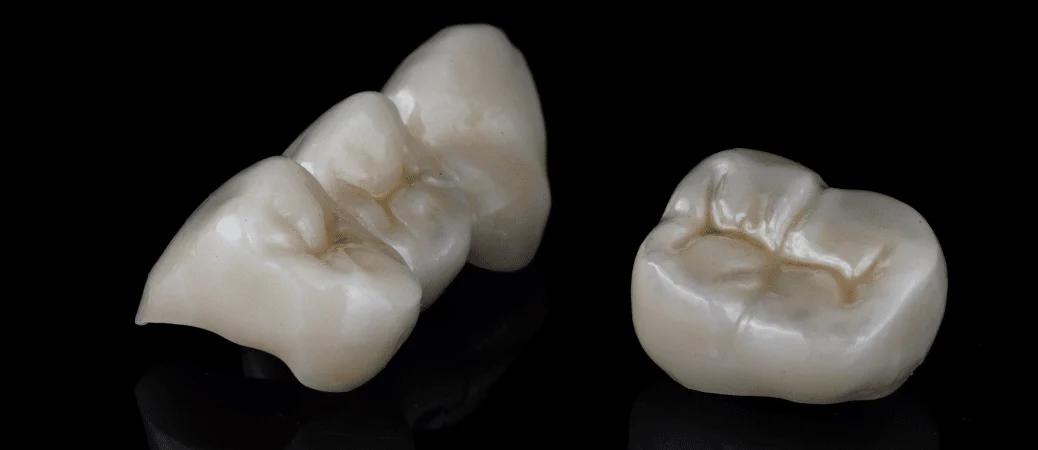
A dental crown is a protective cap that fits over a damaged tooth to restore its strength and appearance.
You can usually feel or see when something is wrong with your crown, and knowing the specific signs helps you understand whether you need urgent care.
Common Signs and Symptoms
You can typically feel a broken dental crown with your tongue before you even see it. The tooth may suddenly feel rough, sharp, or different than usual when you run your tongue over it.
Pain or sensitivity often shows up when a crown becomes damaged. You might notice discomfort when eating hot or cold foods. This happens because the underlying tooth structure becomes exposed.
Some people experience a clicking or shifting sensation when they bite down. This means the crown has become loose and is moving around on the tooth.
Visible changes are another clear indicator. You might see a crack in the crown material or notice a gap forming between the crown and your gum line.
If your crown falls out completely, you’ll have an obvious empty space where the crown used to be. The tooth underneath may look gray or feel rough to touch.
Types of Damage: Cracked, Chipped, or Loose Crowns
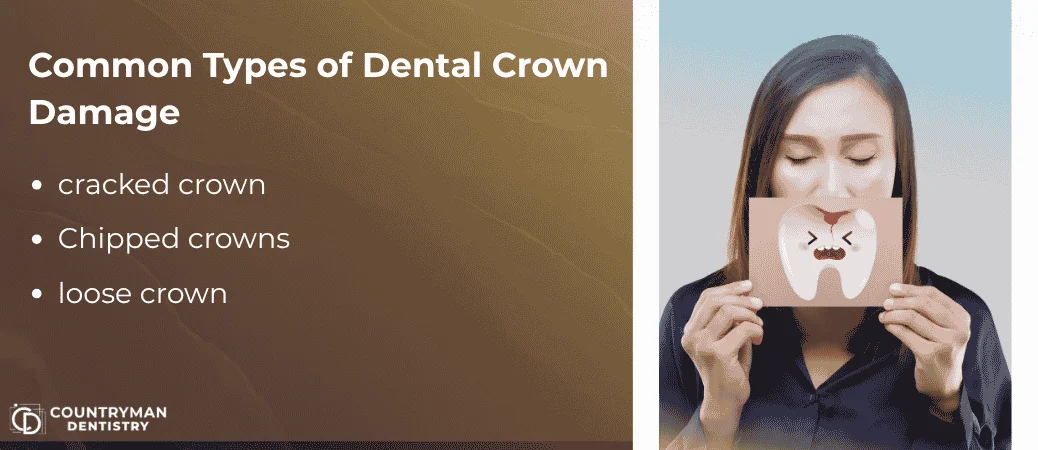
A cracked crown shows a visible line running through the crown material. The crack might be small at first but can spread over time. You may not feel pain right away with minor cracks.
Chipped crowns have a piece of the crown material broken off. These chips often happen on the biting surface or edge of the crown. A chip can create sharp edges that irritate your tongue or cheek.
A loose crown moves when you touch it with your tongue or finger but hasn’t fallen off yet. Loose crowns can happen when the cement bond weakens or decay forms underneath. You might hear a clicking sound when chewing.
Each type of damage requires different treatment. Small chips might be repairable with composite resin. Severe cracks usually need full crown replacement.
Causes of Broken Crowns and Fillings
Crowns and fillings break for many reasons, from daily wear and tear to hidden dental problems. Understanding what puts your dental work at risk helps you protect your investment and avoid emergency trips to the dentist.
Everyday Habits and Accidents
Your daily habits play a big role in how long your dental work lasts. Chewing hard foods like ice, hard candies, or nuts puts stress on crowns and fillings that can cause them to crack or chip over time.
Teeth grinding, also called bruxism, is one of the most damaging habits for dental work. When you grind your teeth at night, you put constant pressure on your crowns and fillings.
This steady force wears them down and creates cracks you might not notice right away.
Using your teeth as tools is another common problem. Opening packages, biting your nails, or holding objects with your teeth can break even strong dental work.
Physical accidents during sports or falls can also damage crowns and fillings instantly.
Dental Health Issues and Underlying Problems
Even with good habits, dental problems can cause your dental work to fail. Tooth decay under a filling or crown weakens the bond between the restoration and your tooth.
The filling or crown might feel loose or fall out completely.
Regular dental checkups help catch decay before it breaks your dental work. Your dentist can spot early signs of problems that you can’t see or feel.
Age also matters. Most crowns last 10 to 15 years before they need replacement. As dental work gets older, it becomes more likely to break.
Gum recession can expose the edges of crowns and make them more vulnerable to damage.
Steps to Take Immediately After Damage Occurs
Acting quickly when you notice a broken crown or filling can prevent further damage to your tooth and reduce discomfort.
Focus on protecting the affected area, controlling any pain, and using safe temporary fixes until you can get professional help.
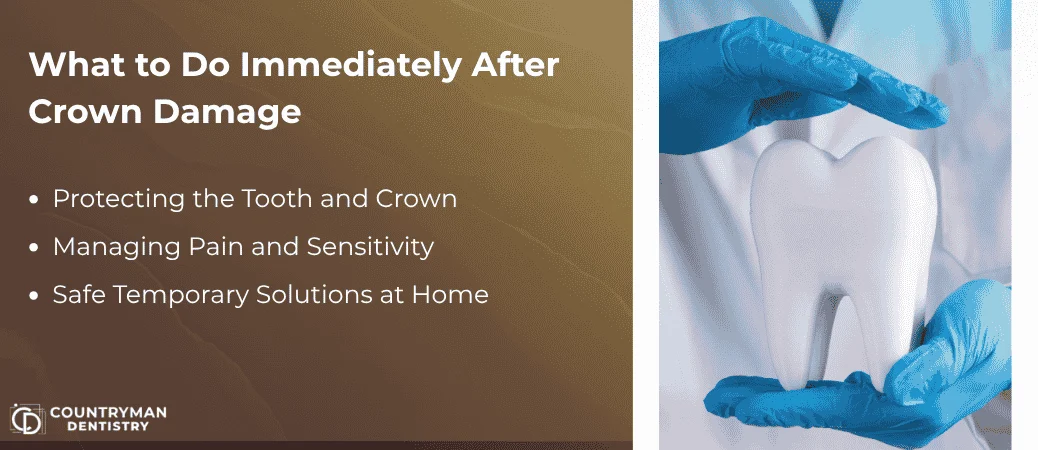
Protecting the Tooth and Crown
Stop using the damaged tooth right away. Continuing to chew on that side of your mouth can cause additional stress on the remaining tooth structure, potentially leading to cracks or complete tooth loss.
If your crown came off completely, rinse it gently with water and store it in a clean container. Don’t throw it away. Your dentist may be able to reattach it if it’s still in good condition.
Avoid hard, crunchy, or sticky foods that could damage the exposed tooth further. Stick to soft foods that require minimal chewing. Also skip extremely hot or cold drinks, as these can worsen any sensitivity you’re experiencing.
Be extra gentle when brushing near the affected area. Use soft motions and don’t apply too much pressure on the damaged tooth.
Managing Pain and Sensitivity
Apply a cold compress to the outside of your cheek near the broken crown for about 10 minutes at a time. This helps reduce swelling and numb the area.
Take over-the-counter pain relievers like ibuprofen according to the package instructions. These medications can help manage discomfort while you wait for your emergency dental care appointment.
Rinse your mouth with warm salt water several times a day. Mix half a teaspoon of salt in eight ounces of warm water, swish gently for 30 seconds, then spit it out. This helps keep the area clean and reduces inflammation.
If sensitivity is severe, avoid touching the exposed tooth with your tongue or fingers.
Safe Temporary Solutions at Home
Over-the-counter dental cement or temporary dental cement from your local drugstore can provide a protective barrier until you see your dentist. These products help shield the exposed tooth and reduce sensitivity.
Apply dental wax over any sharp edges that might irritate your cheek or tongue. This creates a smooth surface and prevents cuts inside your mouth.
Here’s what you should not do:
- Don’t use super glue or household adhesives
- Don’t try to file down sharp edges yourself
- Don’t ignore the problem and hope it goes away
Contact your dentist as soon as possible to schedule a repair appointment. Most dental offices treat broken crowns as a dental emergency and can often see you quickly.
If the damage happens outside regular business hours, call an emergency dentist for guidance.
Professional Treatment Options for Damaged Crowns
Dentists can fix damaged crowns through several methods depending on the severity of the damage and the condition of your tooth.
Your treatment might involve simple repairs, full replacement, or in severe cases, more advanced procedures like implants.
Crown Repair Techniques
If your crown has minor damage, your dentist may be able to repair it without replacing the entire restoration. Dental bonding is a common solution for small chips or cracks.
Your dentist applies composite resin material directly to the damaged area and shapes it to match your crown.
This process is quick and non-invasive. The dentist will clean the damaged area first, then apply the bonding material in layers. Each layer hardens under a special light.
Crown repair with composite resin works best when the damage is superficial. However, if the crown has extensive cracks or the damage affects its structural integrity, repair may not be a long-term solution.
Your dentist will examine the crown carefully to determine if repair is possible or if you need a full replacement.
When Crown Replacement Is Necessary
Your dentist will recommend replacing your crown when the damage is too severe to repair or when decay has formed underneath.
If the permanent crown is cracked all the way through, fractured in multiple places, or significantly worn down, a new crown provides better protection.
The replacement process starts with removing your old crown. Your dentist will numb the area, then carefully break the cement seal and lift off the damaged crown.
They’ll clean away any debris and check your tooth for decay or damage.
If your tooth structure is healthy, they’ll prepare it for a new crown and take impressions. You’ll wear a temporary crown while your new one is made.
In cases where the tooth itself is too damaged, your dentist might recommend extracting it and placing an implant-supported crown instead.
This involves inserting a titanium post into your jawbone that acts as an artificial root, then attaching a crown on top.
What to Expect During Your Dental Visit
When you visit your dentist near you for crown treatment, they’ll start by examining your tooth and crown thoroughly. They may take X-rays to check the tooth structure underneath and look for hidden decay or damage.
Your dentist will explain which treatment option is best for your situation. If you need a new crown, the appointment typically takes 60 to 90 minutes.
The area will be numbed so you won’t feel pain during the procedure.
For simple re-cementing, the visit is much shorter. Your dentist will clean both your tooth and the crown, apply fresh dental cement, and verify the fit.
Most dental restoration procedures can be completed in one or two visits, depending on whether your crown needs to be made in a lab or can be created in the office.
How to Prevent Future Crown and Filling Damage
Taking care of your teeth properly and making smart daily choices can help your dental work last much longer. Regular maintenance and protective habits keep your crowns and fillings strong for years.
Oral Hygiene and Dental Checkups
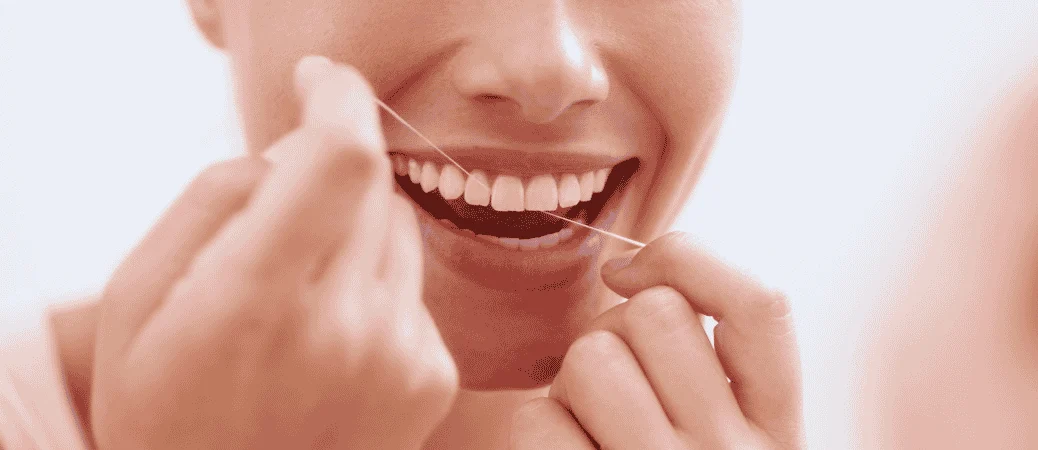
Brushing twice a day and flossing daily removes the plaque and bacteria that cause decay around your dental work.
Pay extra attention to the edges where your crown or filling meets your natural tooth, as this area is vulnerable to new cavities.
Use a soft-bristled toothbrush and fluoride toothpaste to clean gently but thoroughly. Hard brushing can wear down the edges of your restorations over time.
Regular dental checkups every six months let your dentist spot small problems before they become big ones.
During these visits, your dentist checks for loose crowns, cracked fillings, and decay forming around your dental work.
Professional cleanings remove hardened tartar that you can’t get rid of at home. This buildup can push against the edges of your crowns and create gaps where bacteria sneak in.
Lifestyle Changes for Long-Lasting Crowns
Teeth grinding, also called bruxism, puts tremendous pressure on your dental work while you sleep.
If you grind your teeth, ask your dentist about a custom night guard to protect your crowns and fillings from this constant force.
Avoid chewing on hard objects like ice, hard candies, or pen caps. These habits can crack or chip both natural teeth and dental restorations.
Be careful with sticky foods like caramel or taffy, which can pull crowns loose. Cut hard foods like apples or carrots into smaller pieces instead of biting into them with your front teeth.
If you play contact sports, wear a mouthguard to shield your dental crowns from impacts that could break or dislodge them.
Frequently Asked Questions
Knowing whether dental work is loose or broken and understanding safe temporary fixes can help you protect your tooth until you get professional care.
Pain management and recognizing true emergencies are also key to handling these situations well.
How can I tell if my crown or filling is actually broken or just loose?
You can usually feel a broken crown or filling with your tongue. A loose crown may wiggle or shift when you touch it but still stays in place. A broken one often has visible cracks or pieces missing.
If your crown has fallen out completely, you’ll feel a gap where it used to be. The tooth underneath may feel rough or sharp. You might also notice the crown itself looks damaged or has pieces broken off.
A loose filling often creates a small gap you can feel with your tongue. Food may get stuck in that spot more easily than before. A broken filling leaves a hole or crater in your tooth that wasn’t there before.
What should I do right away if my crown or filling falls out unexpectedly?
Rinse your mouth with warm salt water to reduce inflammation and infection. This helps clean the area and can ease any discomfort you’re feeling right away.
Find the crown or filling if possible and keep it safe. Rinse it gently with water but don’t scrub it or use soap. Store it in a small container or plastic bag to bring to your dentist.
Call your dentist as soon as you can to schedule an appointment. You should see a dentist within 24-48 hours after losing a filling or crown. Waiting longer increases your risk of infection and more expensive treatment.
Is it safe to eat or drink with a broken crown or filling, and what foods should I avoid?
You can eat and drink with a broken crown or filling, but you need to be careful. Chew on the opposite side of your mouth to avoid putting pressure on the damaged tooth.
Stay away from hard foods like nuts, candy, or ice that could cause more damage. Sticky foods like caramel or taffy can pull at loose dental work or get stuck in exposed areas.
Hot and cold foods and drinks may cause pain if the tooth is sensitive.
Soft foods are your best choice until you see your dentist. Choose items like yogurt, mashed potatoes, scrambled eggs, or soup. Lukewarm or room temperature foods tend to be more comfortable than extreme temperatures.
How can I manage tooth pain or sensitivity at home until I can see a dentist?
Take over-the-counter pain relievers like ibuprofen to ease the pain. These medications also help reduce inflammation around the affected tooth.
Use a cold compress on the outside of your cheek near the painful area. Apply it for 15 minutes at a time with breaks in between. This helps numb the area and reduce swelling.
Rinse with warm salt water several times a day. Mix half a teaspoon of salt in a cup of warm water and swish it around your mouth. This natural remedy helps clean the area and provides some relief.
Can I temporarily reattach a crown at home, and what materials are safe to use?
You can temporarily attach a crown with over-the-counter dental cement or toothpaste. These products are available at most drugstores and are designed for temporary dental repairs.
Clean both your tooth and the inside of the crown before trying to reattach it. Make sure the crown is dry and fits properly before applying the cement. Follow the product instructions carefully for best results.
Never use super glue or any non-dental adhesive to reattach a crown. These products can damage your tooth and gum tissue. Be careful not to swallow the crown while working with it.
If you can’t reattach the crown comfortably, apply dental cement directly to the exposed tooth instead. This protects the tooth until you can see your dentist. For a lost filling, you can also use sugar-free gum as a temporary seal.
When does a broken crown or filling become a dental emergency that needs urgent care?
A broken crown becomes an emergency if you have severe pain that doesn’t improve with over-the-counter medication. Sharp pain when you bite down or constant throbbing means you need care right away.
Signs of infection require immediate attention. Watch for swelling in your gums or face, fever, or a bad taste in your mouth. Pus or drainage around the tooth is also a serious warning sign.
Bleeding that won’t stop after applying pressure needs urgent care.
If the broken crown or filling has left sharp edges that cut your tongue or cheek, you should see a dentist quickly. Difficulty eating or speaking also means you shouldn’t delay treatment.