Your dental implant was supposed to be a long-term fix. Now you feel pain, notice movement, or see swelling, and you want clear answers.
Dental implants can fail because of infection, bone loss, excess pressure, or healing problems; but you still have treatment options to fix or replace it.
Problems like peri-implantitis, poor bone support, smoking, or teeth grinding can weaken dental implants over time. In some cases, the implant never bonds well with the jawbone from the start.
You do not have to ignore the warning signs. When you understand what went wrong and what you can do next, you can protect your oral health and plan your next step with confidence.
Key Takeaways
- Dental implants can fail due to infection, bone issues, or too much pressure.
- Pain, swelling, or movement are signs you should not ignore.
- Dentists can remove, treat, or replace a failed implant and help prevent future problems.
Explore dental implant failure solutions and regain confidence in your smile today
Warning Signs and Symptoms of Implant Failure
You can often spot implant failure early if you know what to watch for. A loose implant, ongoing pain, or changes in your gums are not normal and need quick attention.
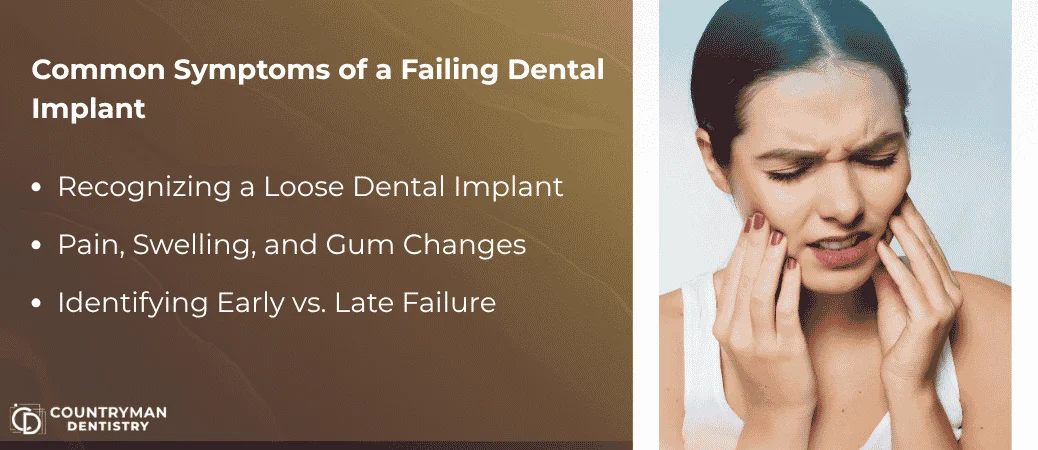
Recognizing a Loose Dental Implant
A loose dental implant is one of the clearest signs of dental implant failure. Your implant should feel as stable as a natural tooth.
If you notice movement when you chew or press on it with your tongue, take it seriously. You may feel the crown shift, or it may seem slightly out of place.
Sometimes only the crown or abutment is loose. Other times, the implant post itself has failed to bond with your jawbone. In more severe cases, the dental implant fell out or the entire implant fell out on its own.
Common signs include:
- A clicking feeling when you bite
- Trouble chewing firm foods
- A gap forming around the implant
- Sudden changes in your bite
Early action can prevent more bone loss and reduce the need for complex repair.
Pain, Swelling, and Gum Changes
Some discomfort is normal for a few days after surgery. Pain that lasts more than 10 days or gets worse may point to implant failure.
Swelling that continues past the first few days also needs attention. Healthy implants should not cause ongoing facial swelling or throbbing pain.
Watch your gums closely. Peri-implantitis is a gum infection around the implant that can lead to bone loss.
You may notice:
- Red or bleeding gums
- Pus near the implant
- Bad breath that does not improve
- Gum recession that exposes metal parts
Gum recession can make the implant look longer. As the bone shrinks, the implant becomes less stable.
If you ignore these signs of dental implant failure, the damage can spread and make treatment more difficult.
Identifying Early vs. Late Failure
Early implant failure usually happens within the first few months after placement. It often occurs when the implant does not bond well with the jawbone.
This bonding process, called osseointegration, is critical. Smoking, infection, or too much pressure from chewing can disrupt it.
You may notice:
- Ongoing pain after healing should be complete
- Implant movement
- Swelling that does not improve
Late implant failure can happen years later. It often results from peri-implantitis, teeth grinding, or heavy bite force.
Late failure may develop slowly. You might first see mild gum recession or slight looseness before the implant becomes unstable.
If you act at the first warning sign, your dentist may be able to treat the problem before the implant fully fails.
Schedule your dental implant consultation in Plano, Texas for expert care and lasting results
Key Causes of Dental Implant Failure
Dental implant failure often starts with poor bone healing, infection, or mechanical stress. Problems during dental implant surgery or weak daily care can also lead to loss of bone and tissue damage.
Failed Osseointegration and Bone Loss
Your implant depends on osseointegration, which means the bone must grow tightly around the implant surface. If this bond does not form, you face failed osseointegration.
The implant may feel loose or painful before your final dental crown is even placed.
Low bone density, smoking, uncontrolled diabetes, or movement of the implant during healing can stop proper bonding. Even small shifts can block the bone from attaching to the dental implant screw.
Loss of bone around the implant also weakens support. If you had limited bone to begin with, your implant dentist may have recommended a bone graft or bone grafting before or during implant surgery.
Without enough stable bone, the implant cannot stay secure long term.
Peri-Implantitis and Infection Risks
Infection remains one of the most common causes of dental implant failure. Bacteria can collect around the gum line and lead to peri-implantitis, which is an inflammatory disease that destroys bone around the implant.
You may notice bleeding, swelling, pus, or a bad taste. As the infection spreads, you can lose more supporting bone. If you do not treat it early, the implant may loosen.
Research shows infection plays a major role in implant problems, especially when plaque builds up on exposed surfaces, as explained in this review of peri-implantitis and implant failure causes.
A history of periodontal disease raises your risk because harmful bacteria already exist in your mouth.
Prompt treatment can limit tissue damage and protect nearby teeth.
Effects of Poor Oral Hygiene
Poor oral hygiene allows plaque and bacteria to harden around your implant. Unlike natural teeth, implants do not have the same protective ligament. That means infection can spread to the bone faster.
If you skip brushing and flossing, you increase your risk of peri-implantitis and bone loss. Food and bacteria can also collect around parts like the cover screw or near the dental implant screw if the area is not sealed well.
You lower your risk by:
- Brushing twice a day
- Cleaning around the implant with floss or interdental brushes
- Keeping regular checkups with your implant dentist
Even a strong implant can fail if daily care slips.
Implant Design and Surgical Errors
Implant design and placement matter. During dental implant surgery, your dentist must position the implant at the right depth and angle. Poor placement can create uneven pressure when you bite.
Too much force, especially if you grind your teeth (bruxism), can overload the implant screw and surrounding bone. Over time, this stress may cause cracks, loosening, or loss of bone support.
Surgical trauma, overheating the bone during drilling, or poor primary stability can also harm healing.
Careful planning, proper technique, and managing bite forces help protect your investment.
Start your virtual consultation for dental implant concerns in Plano, Texas from the comfort of home
Mechanical and Biological Factors Affecting Implant Success
Your implant depends on strong bone, healthy tissue, and balanced bite forces. When any of these areas fall short, even a well-placed implant can fail.
Bone Quality and Need for Bone Grafting
Your implant must fuse to bone through a process called osseointegration. If your jawbone is too thin or too soft, the implant may never lock in place.
A large study on factors affecting dental implant failure found that lack of osseointegration was the most common reason for implant removal.
Poor primary stability at placement also raised the risk of a failed dental implant.
You may need bone grafting if you lost bone from gum disease, long-term tooth loss, or trauma. A bone graft builds width or height so the implant can anchor securely.
Without it, the implant can loosen before your healing cap or dental abutment is even placed.
Common signs of weak bone support include:
- Early implant movement
- Pain when chewing
- Bone loss around the cover screw area on X-rays
If your implant failed due to bone problems, your dentist may recommend grafting first, then placing a new implant after healing.
Systemic Health and Lifestyle Impacts
Your overall health affects how your bone heals. Conditions like diabetes, osteoporosis, and thyroid disease can slow bone repair.
Smoking also reduces blood flow to the gums. Research published in this retrospective analysis of implant risk factors showed that smoking and certain medical conditions were linked to specific failure patterns.
Some medications may also interfere with healing, including:
- Bisphosphonates
- Steroids
- Certain antidepressants
- Acid-reducing drugs
If you missed follow-up visits or stopped maintenance care, infection risk rises. This can lead to bone loss around the implant abutment or under the dental crown.
Before replacing failed implants, your dentist may ask you to improve blood sugar control, stop smoking, or adjust medications with your physician.
Excessive Bite Pressure and Bruxism
Unlike natural teeth, implants do not have a shock-absorbing ligament. They transfer pressure directly to bone.
If you grind your teeth at night or clench during the day, you create constant stress on the implant abutment and dental crown. Over time, this force can loosen screws, crack restorations, or cause bone loss.
Warning signs include:
- Chipped crown material
- Loose implant abutment
- Jaw soreness in the morning
- Repeated screw loosening
Bite overload can also damage a nearby removable denture if it rests against the implant.
Your dentist may adjust your bite, reshape the crown, or provide a night guard. Reducing pressure helps protect the bone and lowers the risk of another failed dental implant.
What to Do if Your Implant Is Failing
If your dental implant feels loose, painful, or swollen, act fast. Quick steps and the right dental care can limit damage and protect your bone.
Immediate Actions After Implant Loosening
If you notice movement in your dental implant, stop chewing on that side right away. Do not test it with your tongue or fingers. Extra pressure can worsen bone loss.
Call your implant dentist as soon as possible. A loose implant is not normal and often signals a failed dental implant or infection.
Keep the area clean but be gentle.
- Brush softly with a soft-bristled toothbrush.
- Rinse with warm salt water.
- Avoid alcohol-based mouthwash unless your dentist advises it.
Do not try to tighten anything yourself. Do not ignore pain, swelling, or pus. These signs may point to infection, including problems like peri-implantitis, which can damage the bone around the implant.
Quick action improves your chances of saving the area for future treatment.
Consulting an Implant Dentist or Oral Surgeon
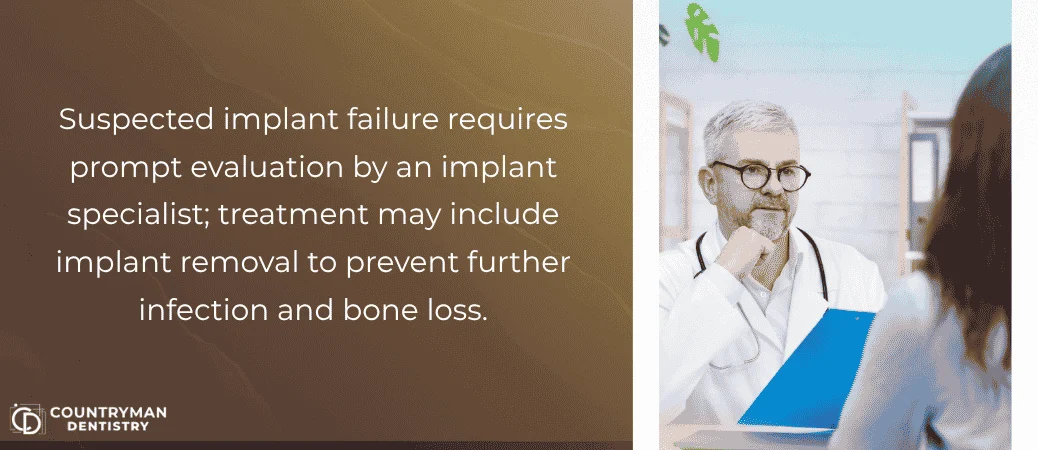
Schedule a visit with an experienced implant dentist or an oral surgeon who places and restores dental implants. Not all general dentists handle implant failure cases.
During your visit, clearly describe your symptoms. Tell them:
- When the pain or movement started
- If you notice bleeding or bad taste
- Any health changes, such as diabetes or new medications
In many cases, treating a failed dental implant involves removing the implant. Removal prevents further infection and bone loss.
Your provider will also review your implant care habits. Poor cleaning, smoking, or missed follow-up visits can raise your risk of failure. Honest answers help your dentist build a safer plan for repair or replacement.
Assessment and Diagnostic Procedures
Your dentist will examine the implant site closely. They will check for:
- Implant movement
- Gum swelling or bleeding
- Pus or deep pockets around the implant
They will take dental X-rays to measure bone levels. Bone loss around the implant often confirms failure.
In some cases, they may test the stability of the implant with special tools. If the implant moves under light pressure, it likely did not bond well with the bone.
Your dentist will then decide if the implant can stay or must come out. Treatment options may include removing the implant, cleaning the area, placing bone graft material, and planning for a new implant after healing.
Replacing a failed implant with a new one is often possible once the site is healthy again.
Careful diagnosis protects your long-term implant care and lowers the risk of repeat problems.
Treatment and Replacement Options After Failure
You have clear options after a failed dental implant. The right plan depends on bone health, infection control, and how quickly you act.
Implant Removal and Site Healing
If your implant feels loose, causes pain, or shows bone loss on X-rays, your dentist will likely remove it. A moving implant cannot reattach to bone, so removal protects the area from more damage.
Your dentist numbs the area and gently takes out the failed dental implant. If infection is present, they clean the socket and may prescribe antibiotics.
Healing time depends on bone loss and gum health. In many cases, you will need a bone graft to rebuild lost bone before implant replacement. The graft may use your own bone or a safe donor material.
Healing can take a few weeks to several months. During this time, follow strict implant care and oral hygiene steps to prevent more problems.
Implant Replacement Techniques
Many people can get an implant replacement after healing. Your dentist first checks bone volume and density with imaging.
If bone is strong, they may place a new implant right away or shortly after removal. In some cases, they use a wider or longer implant to improve stability.
When bone loss is moderate to severe, your dentist may place a bone graft first. After the graft heals, they insert the new implant and allow time for osseointegration, which means the bone bonds to the implant.
Some specialists also combine implant placement with guided bone regeneration.
A review of management options explains that clinicians may replace the implant immediately with a larger one or use a staged approach with grafting and delayed placement, as described in this review of dental implant failure management.
After healing, your dentist attaches a new dental crown. Careful bite adjustment helps reduce overload and lowers the risk of another failure.
Alternative Tooth Replacement Solutions
If implant replacement is not the best choice, you still have solid options.
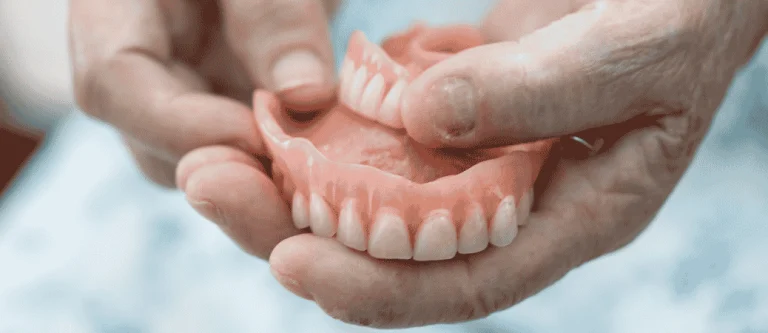
A removable denture can replace one or more missing teeth at a lower cost. It rests on your gums and can be taken out for cleaning. This option works well if you have significant bone loss or health limits.
A fixed bridge is another option. It uses nearby teeth for support and holds a dental crown in the empty space. However, it requires reshaping healthy teeth.
Ask your dentist about the risks and benefits of each choice. Quick action matters because ignoring a failing implant can lead to more bone loss and infection, which can complicate future treatment.
How to Prevent Future Implant Failure
You can lower your risk of another failed implant by keeping your mouth clean, seeing your dentist on schedule, and protecting the implant from stress. Daily care and smart habits make a real difference in long-term healing and bone support.
Oral Hygiene Best Practices
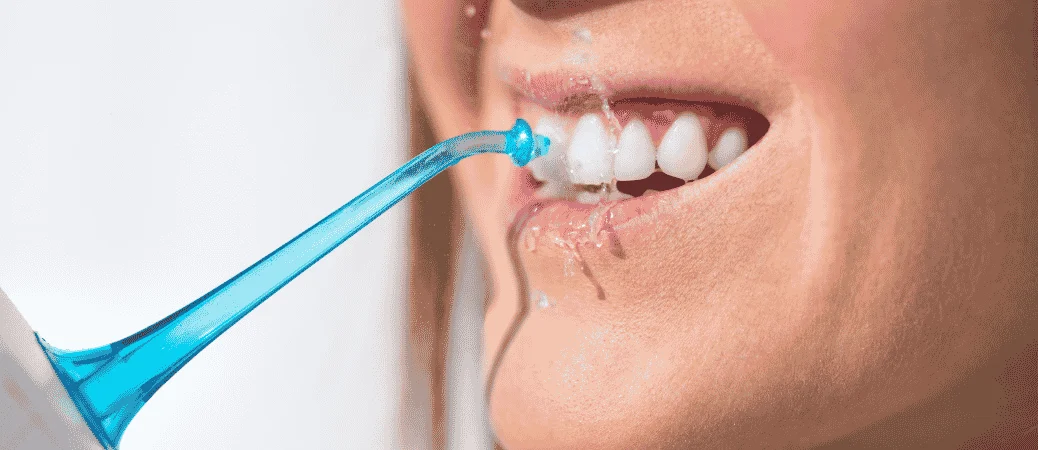
You must keep plaque off your implant and gum line every day. Poor oral hygiene allows bacteria to build up, which can lead to inflammation and bone loss around the implant.
Brush at least twice a day with a soft toothbrush. Angle the bristles toward the gum line and clean all sides of the implant crown.
Add these tools to your routine:
- Floss or implant-specific floss to clean under the crown
- Interdental brushes to reach tight spaces
- Water flossers to flush out debris
- An alcohol-free antimicrobial rinse if your dentist recommends it
If you have a history of periodontal disease, you face a higher risk for implant problems. Gum infections can turn into peri-implantitis, which causes bone loss around the implant.
Strong daily implant care helps prevent dental implant failure and protects the bone that holds your implant in place.
Maintaining Regular Dental Check-Ups
Home care alone is not enough. You need regular exams so your implant dentist can check the health of your gums and bone.
Most patients should visit every six months. If you have gum disease or other risk factors, your dentist may suggest visits every three to four months.
At these visits, your dentist will:
- Measure gum pockets around the implant
- Check for bleeding or swelling
- Take X-rays when needed to monitor bone levels
- Remove hardened plaque that you cannot clean at home
Early problems often cause mild symptoms, such as slight bleeding or tenderness.
Regular check-ups help prevent implant failure by catching small issues before they turn into bone loss or implant movement.
Habits to Avoid and Long-Term Implant Care
Some daily habits place extra stress on your implant. Too much pressure can damage the bone or loosen parts over time.
Avoid or limit:
- Smoking, which slows healing and raises infection risk
- Teeth grinding (bruxism) without a night guard
- Chewing ice or hard candy
- Skipping follow-up visits after implant placement
Smoking and uncontrolled health conditions can raise your risk of implant problems.
If you grind your teeth, ask your dentist about a custom night guard. It spreads pressure evenly and protects your implant from overload.
Long-term implant care means you stay consistent. Clean it well, protect it from force, and work closely with your implant dentist to keep the area stable for years.
Frequently Asked Questions
Dental implants can fail for clear medical or mechanical reasons. You may notice pain, swelling, or movement, and treatment usually involves removing the implant and planning next steps.
What are the most common reasons a dental implant can fail?
Implants most often fail because the bone does not bond to the post. This problem is called poor integration.
Infection around the implant, known as peri-implantitis, can also lead to bone loss and failure. Smoking, gum disease, and poor oral hygiene raise this risk.
Other causes include teeth grinding, weak jawbone, certain medications that slow bone growth, and surgical errors.
What are the early warning signs that a dental implant is failing?
You may notice swelling, redness, or bleeding around the gums. These signs often appear before the implant becomes loose.
Pain when chewing or pressure that does not improve can also signal trouble. A moving crown or implant is a serious warning sign.
Can a dental implant fail years later, even after it seemed successful?
Yes, an implant can fail many years after placement. Some reports note that failure can happen even a decade later.
Late failure often links to bone loss, infection, or heavy bite force over time.
Regular checkups help your dentist spot small problems before they grow.
What treatment options are available if a dental implant fails?
Your dentist must remove a failed implant. Leaving it in place can lead to infection and more bone loss.
After removal, you may need a bone graft to rebuild support. Healing can take several months before placing a new implant.
Can a failed dental implant be replaced, and how long do you need to wait?
In many cases, you can replace a failed implant. First, the area must heal.
Healing often takes up to six months, especially if you need a bone graft. Once the bone is stable, your dentist can place a new implant with a high success rate.
A specialist can evaluate whether you are a good candidate for replacement or if another option fits better.
Who may be responsible if a dental implant fails, and could you be eligible for a refund?
Failure does not always mean someone made a mistake. Your health, habits, and bone quality all play a role.
In rare cases, errors such as poor planning or lack of follow-up care may contribute.
If the dentist caused the problem, you may qualify for a refund or compensation. If smoking, poor hygiene, or medical issues caused the failure, you usually cover the cost of replacement.