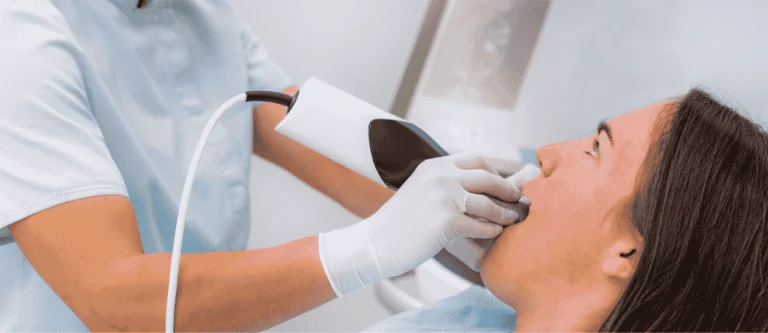
Understanding the dental implant healing stages can help you know what to expect after surgery, from early swelling and gum recovery to the months it takes for the implant to bond with your jawbone.
Most people see swelling and bruising peak in the first week, watch the gums heal over weeks 2 through 4, and then wait roughly three to six months while the jawbone bonds to the implant before the abutment and final crown go on.
Those numbers are estimates.
Your own dental implant healing timeline depends on your bone, your health, and where the implant sits in your mouth.
Many patients are surprised by one thing. You will likely feel normal within a week or two, yet the implant is still far from finished.
That deeper process, called osseointegration, is when your jawbone grows tightly around the implant post. It starts within days of surgery and keeps going for months.
At Countryman Dentistry, we walk patients through each step of dental implants, from the day of placement to the day the finished tooth goes in.
Knowing what each phase should feel like makes it easier to relax, protect the implant, and spot anything that needs a call to your dentist.
Key Takeaways
- Swelling and soreness fade within one to two weeks, while bone bonding takes months.
- Your crown goes on only after your dentist confirms the implant is stable.
- Bone grafts, health conditions, and daily cleaning habits all shift your timeline.
What Happens in the First Four Weeks?
The first four weeks are about soft tissue healing, the gums closing and calming down around the implant site.
Week one brings the most swelling and tenderness, and weeks two through four bring steady relief as the gums firm up and you ease back toward normal eating.
Days 1–7: Swelling, Bruising, and Protecting the Implant Site
Dental implant surgery typically involves local anesthesia to numb the treatment area. Depending on the procedure and the patient’s needs, additional sedation may also be considered.
You may feel pressure during placement, but the area should be numb.
Here is what a normal first week looks like:
- Day 1: Light oozing and pink-tinged saliva. A blood clot forms over the site, and that clot is the start of healing.
- Days 2–3: Swelling reaches its peak. Your face may look puffier on day three than on surgery day, which is expected.
- Days 3–7: Bruising on the cheek or jaw may show up, especially with a lower jaw implant. Implant pain should ease a little each day.
Research on recovery supports this pattern; a study using recovery diaries found that most patients can expect mild symptoms after implant placement.
Follow your dentist’s instructions for prescribed or recommended pain medication. If advised, taking the first dose before the numbness wears off may help manage discomfort.
Protect that blood clot. Skip straws, smoking, spitting, and hard rinsing for the first few days.
Stick to soft foods like yogurt, scrambled eggs, mashed potatoes, oatmeal, and lukewarm soup, and chew on the other side of your mouth.
Weeks 2–4: Gums Heal as Discomfort Fades
By week two, most of the swelling is gone. The gum around the implant looks pink and new, and that color is healthy tissue forming.
If you have stitches that do not dissolve, your dentist removes them around the one-week visit.
During these weeks, your mouth feels more like your own again. Many patients go a whole day without thinking about the implant. You can widen your diet to soft pasta, fish, ground meat, and cooked vegetables.
Keep cleaning gently. Warm saltwater rinses (about half a teaspoon of salt in a cup of warm water) after meals keep the site clean.
If your dentist prescribes an antimicrobial mouthwash such as chlorhexidine, use it exactly as directed.
One caution from experience: feeling good tempts people to chew hard foods on the implant side too soon.
Keep crunchy and chewy foods away from that spot until your dentist gives the green light, since the bone underneath is just getting started.
What Happens Beneath the Gums in Months 1–6?
Your jawbone gradually forms a stable connection with the implant surface through a process called osseointegration.
Your dentist monitors this healing before deciding when the implant is ready to support its final restoration.
Weeks 4–12: Bone Bonds with the Implant
A titanium implant works as an artificial tooth root. Bone integration does not wait for the gums to finish; lab research tracking healing from 2 hours to 12 weeks after implant installation shows bone-related events beginning almost right away and building over those weeks.
There is a quiet phase you should know about. In the first several weeks, the bone around the implant remodels, clearing away old bone at the edges while new bone forms.
During that window the implant depends on new growth to stay stable, which is why your dentist asks you to keep heavy chewing forces off it.
You will feel almost nothing during this hard tissue healing. No pain is the normal sign here. Keep brushing, keep the area clean, and keep your checkups.
Months 3–6: Confirming the Implant Is Ready
Complete osseointegration takes about three to six months for most single implants. A lower jaw implant tends to sit in denser bone and may be ready sooner.
An upper jaw implant sits in softer bone and more often needs the longer end of that range.
Your dentist evaluates implant stability and healing before moving forward. Follow-up appointments may include:
- X-rays to assess surrounding bone and check for concerning changes
- Clinical assessment of implant stability without placing unnecessary pressure on the implant
- Examination of the surrounding gum tissue
At Countryman Dentistry, Dr. Bryan Countryman can evaluate the implant site, surrounding bone, and gum health during follow-up visits to determine whether healing is progressing as expected.
These assessments help guide the timing of the final restoration.
When Do the Abutment and Crown Go On?
The abutment and permanent crown go on after your dentist confirms the implant has bonded with the bone.
For most people that means somewhere around the three- to six-month mark, with the crown itself following a few weeks after the abutment.
How Abutment Placement Fits into Healing
The abutment is a small connector that links the implant to your new tooth. How it fits into your healing depends on the surgical plan:
| Approach | What happens | Extra healing |
| Two-stage | Implant is covered by gum; a small second step uncovers it for abutment placement | Mild soreness for a day or two, then about 1–2 weeks of gum shaping |
| One-stage | A healing abutment sits above the gum from day one | No second procedure |
| Immediate load | A temporary tooth goes on soon after surgery | Soft diet still required while bone bonds |
A healing abutment shapes the gum into a natural collar so the final crown looks right. Immediate load implants suit only some patients with strong bones.
When Is the Permanent Crown Placed?
Once the gums settle around the abutment, your dentist takes a scan or impression. The lab then builds your final restoration, which takes a few weeks.
At the delivery visit, your dentist fits the crown, checks your bite, and adjusts it so you chew evenly. Learn more about how crowns and bridges are matched to your other teeth.
If you are replacing missing teeth across a whole arch, the dental implant treatment follows a different rhythm.
Options such as All-on-X dental implants often use a temporary bridge first. For one tooth, single tooth dental implants follow the steps above.
What Can Change Your Healing Timeline?
Your bone, your health, and your daily care are the three biggest levers on dental implant recovery. A bone graft or a condition that slows healing can add months, while steady cleaning keeps the timeline on track.
How Bone Grafts and Health Conditions Affect Timing
Bone grafting rebuilds the jaw when there is not enough bone to hold an implant. A graft placed before the implant may need several months to mature first.
A small graft placed at the same visit adds less time but may lengthen the integration phase.
If a tooth needs to be extracted before implant placement, the treatment timeline depends on the condition of the socket, available bone, and whether grafting is needed.
Some implants can be placed immediately after extraction, while others require several weeks or months of healing. Read more about when tooth extraction is necessary.
Bone quality and bone density shape your schedule as well. Conditions that may slow healing include:
- Osteoporosis, and some medicines used to treat it
- Diabetes, especially when blood sugar is not well controlled
- Autoimmune disorders
- Smoking or vaping
Good nutrition supports bone healing. Ask your doctor whether your calcium and vitamin D intake is enough, and tell your dentist about every medicine you take.
How to Care for the Implant While It Heals
Strong oral hygiene protects the implant through every stage. Plaque near a healing implant raises the risk of gum inflammation and bone loss.
A simple routine that works for most patients:
- Brush twice a day with a soft brush, gently over the implant once your dentist says it is okay.
- Use interdental brushes or implant-specific floss around the post once the gums heal.
- Try a water flosser on a low setting if string floss is hard to handle.
- Keep chewing pressure off the implant until your dentist clears it.
- Keep every follow-up visit and regular dental checkups.
Which Symptoms Are Not Part of Normal Healing?

Pain and swelling usually begin improving after the first few days. If symptoms continue worsening, return after initially improving, or occur with fever or discharge, contact your dentist promptly.
Contact your dentist or oral surgeon if you notice:
- Pain that grows stronger instead of fading
- Swelling that returns or spreads after the first week
- Pus, a bad taste, or fever
- Bleeding that does not slow with firm gauze pressure
- Implant mobility, meaning the post feels loose or shifts when you bite
- Gums pulling back or bleeding around the implant months later
Looseness can point to early implant failure. Gum bleeding and recession later on can signal peri-implant disease, an infection that leads to bone loss if left alone.
Whether you see a general dentist or a specialist, early care gives you the most options.
For causes and treatment choices, see our guide to dental implant failure solutions.
Healing Takes Weeks, but a Stable Implant Takes Months
The dental implant healing process has two clocks. Your gums recover in about two to four weeks, and the bone needs roughly three to six months to lock the implant in place.
Week one brings swelling and bruising. Weeks two through four bring comfort and pink, healthy gums. The months after that are quiet, and that quiet stretch is when the implant becomes strong.
Your dental implant recovery timeline is an estimate. Grafts, bone density, and health conditions can lengthen it, and your dentist confirms readiness before the abutment and crown go on.
Until then, eat soft, clean gently, keep chewing pressure off the implant, and keep your follow-up visits.
Frequently Asked Questions
How do I know if my dental implant is healing correctly?
Reduced swelling, improving comfort, and healthy-looking gums are encouraging signs. However, an implant can feel comfortable before bone integration is complete.
Your dentist must evaluate healing and stability at follow-up visits.
How painful is dental implant recovery?
Most people describe dental implant surgery recovery as a dull ache for a few days. Over-the-counter pain relievers handle it for many patients, and discomfort usually drops sharply by day three or four.
Pain that gets worse after that deserves a call to your dentist.
How long after dental implant surgery can I eat normally?
You can eat most soft foods within the first week and widen your diet by week two. Keep hard or chewy foods off the implant side for at least several weeks while the bone bonds.
Full normal chewing on the implant comes after your crown is placed.
How does a bone graft change the implant healing timeline?
A bone graft adds time to your implant healing stages, sometimes several months. A larger graft placed before the dental implant procedure has to mature first, while a small graft at the same visit adds less.
Your dentist will give you a timeline based on the graft size and your bone.
What helps dental implants heal well?
Managing health conditions like diabetes supports bone healing too. If you are still planning treatment, our guide to single missing tooth replacement options explains available choices.
During recovery, your dentist can monitor healing and answer questions about your progress.