Your schedule is already packed with work meetings, family commitments, and social activities. The last thing you need is an orthodontic treatment that requires constant appointments and interferes with your daily routine.
So you can wonder if Invisalign is the right option for you? Let us answer this:
Invisalign offers a teeth-straightening solution that works around your busy lifestyle, with fewer office visits, removable aligners, and a discreet appearance that won’t disrupt your professional or personal life.
Unlike traditional braces that demand frequent adjustments and dietary restrictions, Invisalign fits seamlessly into busy lives with easy maintenance and minimal changes to your routine.
You can remove the clear aligners when eating or brushing your teeth, then put them back in without hassle. Most people won’t even notice you’re straightening your teeth.
Whether you’re a working professional, a parent juggling multiple responsibilities, or someone who travels frequently, Invisalign adapts to your needs.
The treatment typically requires check-ins only every 6-8 weeks, and many providers now offer digital monitoring tools that reduce the need for in-person appointments even further.
Key Takeaways
- Invisalign requires fewer office visits than traditional braces, with appointments typically scheduled every 6-8 weeks
- The clear aligners are removable for eating and oral care, allowing you to maintain your normal diet and hygiene routine
- Digital monitoring tools and virtual check-ins make it easier to stay on track with treatment while managing a packed schedule
Table of Content
- Seamless Integration of Invisalign Into Daily Life
- Comparing Invisalign and Traditional Braces for Busy People
- Wearing and Caring for Aligners With a Packed Schedule
- Eating, Drinking, and Social Life: Minimal Disruptions
- Professional Guidance and Personalized Care
- Frequently Asked Questions
Seamless Integration of Invisalign Into Daily Life
Clear aligners work quietly in the background while you handle your regular responsibilities.
The removable design lets you eat normally, clean your teeth easily, and attend important events without drawing attention to your orthodontic care.
How Clear Aligners Adapt to Real-World Routines
Invisalign requires you to wear your aligners for 20-22 hours each day. This leaves room for meals, snacks, and teeth cleaning without disrupting your schedule.
You can remove your aligners before eating breakfast, lunch, or dinner. This means no food restrictions like traditional braces require. After eating, you brush your teeth and rinse the aligners before putting them back in.
Your morning routine stays simple. Remove the aligners, brush and floss your teeth, clean the aligners with lukewarm water, then put them back in. The same process works at night before bed.
If you forget your cleaning supplies while out, a quick rinse with water keeps things fresh until you get home. Many people carry a small travel case and portable toothbrush for cleaning on the go.
This flexibility makes Invisalign work smoothly with unpredictable schedules.
Fitting Invisalign Around Work, School, and Social Activities
Your clear aligners fit easily into demanding schedules at work or school. Students can wear them during classes, study sessions, and extracurricular activities.
Parents managing children’s schedules find that removable aligners require less maintenance than braces appointments.
Invisalign allows you to balance treatment with daily demands because check-ups happen every 6-8 weeks instead of monthly adjustments. You switch to new aligner sets at home on your own schedule.
Work meetings, presentations, and deadlines stay manageable. You can take aligners out briefly for important client dinners or special occasions, then put them right back in. The key is getting back to the 20-22 hour daily wear time.
Social activities like dating, exercising, or attending events become easier with clear aligners. You control when to remove them for short periods without compromising your treatment progress.
Maintaining Confidence in Professional and Social Settings

The nearly invisible design of Invisalign lets you smile naturally during video calls and in-person meetings. Most people won’t notice you’re wearing aligners unless you tell them.
Your confidence at work stays strong because the clear material blends with your teeth. During presentations or client meetings, you can speak clearly without the metallic appearance of traditional braces.
Video calls show your natural smile rather than obvious orthodontic hardware.
Professional settings demand a polished appearance. Clear aligners help you maintain that image while straightening your teeth. You don’t need to feel self-conscious about smiling in photos, giving presentations, or meeting new colleagues.
Social confidence improves too. Dating, networking events, and gatherings with friends feel more comfortable when your orthodontic care stays discreet.
You focus on conversations and connections instead of worrying about your appearance.

Comparing Invisalign and Traditional Braces for Busy People
When you have a packed schedule, the treatment you choose matters beyond just straightening your teeth.
Invisalign aligners require less frequent appointments and no food restrictions, while traditional braces need more maintenance visits and careful eating habits.
Key Differences in Daily Convenience
Your daily routine stays largely the same with Invisalign because you can remove the custom-made aligners when you eat or drink. You don’t need to avoid any foods or worry about damaging brackets and wires.
Traditional braces stay fixed to your teeth 24/7. This means you need to skip hard, sticky, or crunchy foods that could break the brackets.
Cleaning your teeth takes longer because you need to brush around the wires and use special flossers.
Clear aligners work well for people without complicated dental issues who want minimal lifestyle changes. You simply pop out your aligners, eat what you want, brush normally, and put them back in.
The only commitment is wearing them 20-22 hours daily.
Office Visits and Schedule Flexibility
Invisalign typically requires office visits every 6-8 weeks. These appointments are usually quick check-ins to monitor progress and pick up your next sets of aligners.
Traditional braces need adjustments every 3-4 weeks. Your orthodontist tightens the wires and checks the brackets during these visits, which often take longer than Invisalign check-ups.
If you travel frequently for work or have unpredictable hours, Invisalign offers more scheduling flexibility.
Missing an appointment by a few days won’t derail your treatment as much as it might with braces that need regular tightening.
Appearance and Comfort Considerations
Your professional image stays intact with Invisalign because the clear plastic aligners are nearly invisible during meetings, presentations, or video calls. Most people won’t notice you’re wearing them unless you mention it.
Traditional braces with metal brackets and wires are noticeable when you speak or smile. This visibility can cause self-consciousness for adults in professional settings.
Patient comfort differs significantly between the two options. Invisalign aligners have smooth edges and no sharp parts.
Traditional braces can irritate your cheeks and lips, especially right after adjustments when the wires press against your mouth.
Wearing and Caring for Aligners With a Packed Schedule
Success with clear aligners depends on keeping them in for most of the day and maintaining good cleaning habits.
Even when your schedule is full, you can build simple routines that protect your aligners and keep your treatment on track.
Essential Daily Routines for Invisalign Success
Your Invisalign journey works best when you create habits that fit into your existing schedule. Start each morning by brushing your teeth and rinsing your aligners before putting them in. This takes less than five minutes.
Keep your aligner case with you at all times. When you remove your aligners to eat, always store them in the case. This prevents loss and damage.
Set phone reminders for key tasks like putting aligners back in after meals. Many people forget this step when they’re busy. A simple alarm helps you stay consistent.
Before bed, brush and floss your teeth, then clean your aligners. This bedtime routine prevents bacteria buildup overnight. If you’re exhausted, at least rinse your aligners with water before putting them back in.
Pack a small kit for work or travel with a toothbrush, toothpaste, floss, and your aligner case. Having supplies ready makes it easier to maintain oral hygiene with Invisalign wherever you are.
Tips for Sticking to 20–22 Hours of Wear Time
You need to wear your removable aligners for 20 to 22 hours each day to see results. This leaves only two to four hours for eating and cleaning. Track your wear time using the Invisalign app or set timers on your phone.
Plan your meals to stay within your time limit. If you have a business lunch at noon and dinner at 7 PM, those are your main removal times. Skip snacking between meals when possible, or factor snack time into your daily hours.
Quick strategies for meeting wear time goals:
- Put aligners back in immediately after eating
- Drink water throughout the day while wearing aligners
- Remove aligners only for meals and cleaning
- Avoid taking them out for social situations
When attending events or meetings, keep your aligners in. They’re nearly invisible, and most people won’t notice them. If you must remove them briefly, get back on schedule as soon as possible.
Keeping Aligners Clean On the Go
Clean aligners prevent staining and bad breath. When you’re away from home, rinse your aligners with lukewarm water after removing them to eat. Never use hot water, as it can warp the plastic.
Keep a travel toothbrush and small toothpaste tube in your bag or desk. Brush your teeth after every meal before putting aligners back in. This prevents food particles from getting trapped against your teeth.
For quick cleaning during busy days, rinse your mouth with water if you can’t brush. This removes some food debris and helps with oral hygiene.
Use aligner cleaning products like cleaning crystals or tablets once daily when time allows.
Avoid drinks like coffee, tea, or red wine while wearing aligners to prevent staining. Drink these beverages during meal times when your aligners are out. Water is safe to drink with aligners in throughout the day.
Eating, Drinking, and Social Life: Minimal Disruptions
You can remove your aligners before meals and put them back after eating, which means no food restrictions or lifestyle changes during treatment.

Enjoying Meals Without Dietary Restrictions
Your removable aligners come out before every meal. This means you can eat anything you want without worrying about breaking brackets or getting food stuck in wires.
Want pizza, popcorn, or apples? Go ahead and enjoy them.
You should brush your teeth after eating before putting your aligners back in. This keeps your teeth clean and prevents food particles from getting trapped. If you can’t brush right away, rinse your mouth with water.
What you eat and drink with Invisalign requires some basic habits. You need to remove your aligners before drinking anything other than plain water.
Coffee, tea, red wine, and dark sodas can cause staining on both your teeth and aligners. Your custom-made aligners stay clear when you take them out for colored beverages.
Keep a small case with you to store your aligners safely during meals. This prevents loss and keeps them clean while you eat.
Social Events and Travel With Invisalign
Your aligners fit easily into your daily routine at restaurants, parties, and social gatherings. Nobody needs to know you’re wearing them since they’re nearly invisible.
You can remove them for special photos or important presentations if needed.
Traveling with Invisalign is simple. Pack your aligner case in your bag and bring a travel toothbrush. You don’t need special tools or extra appointments when you’re away from home.
Life with clear aligners during social situations stays flexible and stress-free.
You can attend work lunches, dinner dates, and family events without calling attention to your orthodontic treatment. The aligners come out quickly and discreetly when needed.
Professional Guidance and Personalized Care
Getting started with Invisalign means working closely with a trained orthodontist who creates a custom treatment plan for your specific needs.
Regular check-ins and modern communication tools help keep your treatment on track while fitting into your schedule.
Invisalign Consultation and Treatment Planning
Your Invisalign consultation starts with a thorough examination of your teeth and bite. An orthodontist will take digital scans or impressions to create a 3D model of your mouth.
This technology allows you to see a preview of how your teeth will move throughout treatment.
Your orthodontist uses this information to design a personalized treatment plan that addresses your specific alignment issues.
The planning phase covers important details like:
- Expected treatment length
- Number of aligner sets you’ll need
- Which teeth will move and when
- Estimated cost and payment options
Your orthodontist will also review your daily schedule to ensure the treatment fits your lifestyle. This personalized approach means your dental care plan works around your commitments rather than disrupting them.
Monitoring Progress and Communication With Your Orthodontist
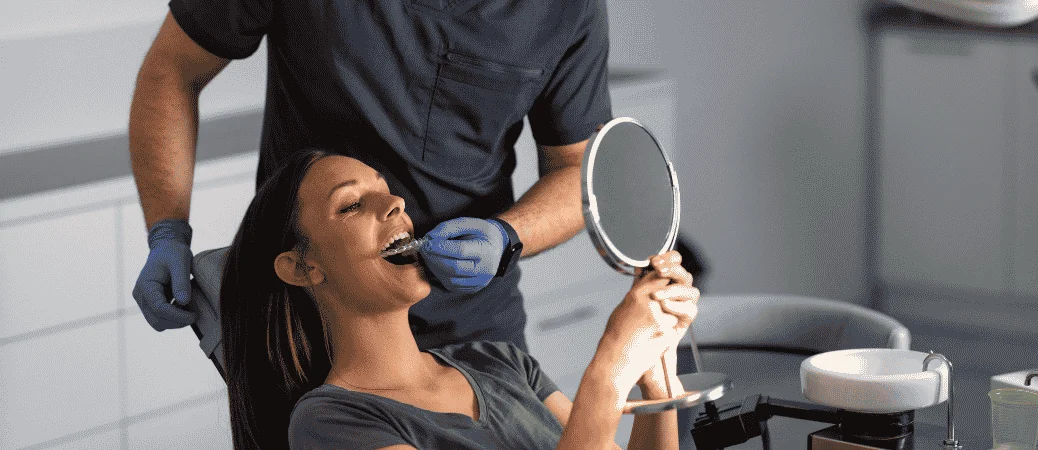
Most Invisalign checkups occur every 6-8 weeks, which is less frequent than traditional braces appointments. These quick visits let your orthodontist verify your teeth are moving as planned.
Many orthodontic treatment providers now offer remote monitoring tools. You can send photos of your progress through an app, reducing the need for in-person visits.
This technology gives you more flexibility while keeping your orthodontist informed.
If you notice any issues between appointments, don’t hesitate to contact your orthodontist. Quick communication helps address problems like aligners that don’t fit properly or unexpected discomfort.
Most practices offer phone consultations or virtual check-ins to answer questions without requiring an office visit.
Frequently Asked Questions
Most people who consider Invisalign want to know how the treatment fits into their daily routine. Here are answers to common questions about wear time, appointments, care, and handling unexpected situations.
How many hours a day do I need to wear my aligners for the best results?
You need to wear your aligners for 22 hours each day to see the best results. This leaves you about two hours for eating and cleaning your teeth.
The aligners work by applying constant, gentle pressure to move your teeth. Taking them out for too long can slow down your progress or affect how well they fit.
Most people find it easy to hit the 22-hour mark by only removing aligners during meals and brushing. You can keep them in during work meetings, exercise, and sleep.
How often will I need in-person checkups, and can some visits be done virtually?
Most patients visit their dentist or orthodontist every 6 to 8 weeks during treatment. These checkups let your provider track your progress and make sure your teeth are moving as planned.
Many Invisalign providers offer virtual checkups between in-person visits. You can send photos or updates through an app, which saves you trips to the office.
Virtual appointments work well for routine check-ins. You’ll still need some in-person visits for important steps like getting attachments placed or picking up new sets of aligners.
What should I do if I have to take my aligners out for meetings, meals, or events?
Take your aligners out before eating or drinking anything other than water. Food and drinks can stain or damage them.
Store your aligners in their case whenever you remove them. This keeps them clean and prevents you from losing or breaking them.
If you have a long meeting or event, try to put your aligners back in as soon as possible. Missing an hour here and there is usually fine, but you want to stay close to that 22-hour daily goal.
How do I keep my aligners clean and fresh when I’m traveling or on the go?
Rinse your aligners with water every time you take them out. This removes saliva and prevents buildup.
Brush your aligners gently with a soft toothbrush and clear, antibacterial soap when you brush your teeth. Avoid using toothpaste because it can scratch the plastic and make them cloudy.
When you’re traveling, pack a small travel toothbrush, floss, and your aligner case. You can also bring cleaning crystals or tablets for a deeper clean.
Will wearing aligners affect my speech, and how long does it usually take to adjust?
You might notice a slight lisp or feel like you’re talking differently when you first start wearing aligners. This happens because your mouth needs time to adjust to having something new inside.
Most people adapt within a few days to a week. Talking more helps you adjust faster, so don’t avoid speaking.
The aligners are thin and fit close to your teeth, so they cause less speech changes than traditional braces. Any initial difficulty usually goes away quickly as your tongue gets used to the aligners.
What happens if I lose an aligner or miss a few hours of wear during a busy week?
Contact your provider right away if you lose an aligner. They’ll tell you whether to move to the next set, go back to the previous set, or order a replacement.
Missing a few hours of wear time occasionally won’t ruin your treatment. Just get back on track as soon as you can and try to make up the time over the next few days.
If you consistently miss several hours each day, your treatment may take longer than planned. Your teeth might not move properly, and your next set of aligners might not fit right.