Loose dentures can make eating and speaking feel stressful. You may notice slipping, clicking, or sore spots that never seem to heal. Over time, these small issues can lower your comfort and confidence.
You should switch to implant-supported dentures when your loose dentures no longer stay secure with relines or adhesive and start to affect your daily life.
Dental implants anchor your dentures to your jaw, which gives you more stability and better chewing power. Many people choose this option after they grow tired of constant adjustments and limits on food.
If you feel frustrated every time your dentures move, it may be time to look at a stronger solution. Understanding why dentures loosen and how implant-supported dentures work will help you decide what fits your needs and budget.
Key Takeaways
- Loose dentures often result from natural changes in your gums and jaw over time.
- Implant-supported dentures use dental implants to improve stability and function.
- You should consider switching when comfort, fit, and daily use continue to decline.
Explore alternatives to loose dentures and enjoy a more stable, confident smile today
Why Dentures Become Loose Over Time
Loose dentures usually trace back to bone changes, daily wear, or a poor original fit. When your mouth changes shape, your denture fit changes too.
Natural Changes in Jawbone and Gums
After you lose natural teeth, your jaw no longer gets steady pressure from tooth roots. Without that pressure, bone resorption begins. Your body slowly breaks down and absorbs bone tissue.
Over time, your jawbone shrinks and changes shape. This affects jawbone health and makes it harder for dentures to stay secure. Even well-made dentures will loosen as the ridge beneath them becomes smaller.
Gum tissue also shifts. It can become thinner or flatter, which reduces suction and stability. This is why many long-term denture wearers notice movement when they talk or chew.
Long-Term Effects of Denture Wear
Dentures rest on your gums, not in the bone. That pressure can speed up bone loss in some cases, especially in the lower jaw.
Years of chewing also wear down the denture base and teeth. The surface may flatten or warp. Small fractures can develop, which weakens the structure and affects balance.
Long-term denture wearers often notice:
- Slipping while eating
- Clicking when speaking
- Sore spots on the gums
- Needing more adhesive than before
These signs point to changes under the denture, not just the denture itself. Without steps toward bone preservation, such as implant support, the looseness often returns even after adjustments.
Common Issues With Denture Fit
Sometimes dentures feel loose because they never fit well in the first place. Ill-fitting dentures may rock, pinch, or leave gaps along the gumline.
If your bite is uneven, pressure spreads poorly across the denture. This can speed up sore spots and bone changes. Poor fit also makes it harder to chew solid foods, which may limit the natural stimulation your jaw needs.
Common denture fit problems include:
| Issue | What You May Notice |
| Poor suction | Denture drops when you open wide |
| Uneven bite | One side feels higher |
| Overextended edges | Pain or ulcers |
| Worn base | Increased movement |
If you deal with repeated movement or discomfort, you may need more than a simple adjustment. Persistent loose dentures often signal deeper structural changes in your mouth.
Schedule your consultation in Plano, Texas to discuss secure alternatives to loose dentures
Short-Term Approaches for Managing Loose Dentures
You can manage loose dentures for a while with simple steps. Adhesives, relines, and timely dental visits can improve fit and comfort until you decide on a long-term solution.
Role of Denture Adhesives and Relining
Denture adhesive can help your removable dentures stay in place during meals and conversations. You apply a thin layer to the clean denture base before placing it in your mouth. This creates extra grip between the denture and your gums.
Use denture adhesives in small amounts. If you need to reapply them several times a day, your denture fit likely needs attention.
A denture reline reshapes the inside surface of your denture to match your current gum shape. Your dentist adds new material to improve contact and suction. This often helps with full or partial dentures that have loosened due to bone changes.
Relines improve comfort, but they do not stop bone loss. Think of them as a way to extend the life of your current denture, not a permanent fix.
When to Seek Professional Adjustments
You should see a dentist or prosthodontist when your dentures cause sore spots, slipping, or changes in speech. Small pressure areas can turn into painful ulcers if you ignore them.
Professional adjustments can:
- Smooth rough edges
- Improve balance when you bite
- Check how your upper and lower dentures meet
- Assess if a reline or repair is needed
If you wear partial dentures, your dentist will also check the clasps and how they fit around your natural teeth. Loose clasps can strain teeth and cause damage over time.
A prosthodontist can review your denture options and explain whether simple repairs will help or if your mouth has changed too much for adjustments alone.
Signs It’s Time for a Change
Short-term fixes stop working at some point. You may notice clear warning signs.
Watch for:
- Dentures that shift even with adhesive
- Daily reliance on denture adhesives
- Ongoing gum irritation
- Difficulty chewing firm foods
- Changes in facial shape or bite
If your denture feels unstable after a recent reline, your jawbone may have changed more than expected. Removable dentures depend on gum and bone support. When that support shrinks, stability drops.
At this stage, you may need to review other denture options with your dental provider, including more stable designs that reduce movement and improve comfort.
Start your virtual consultation in Plano, Texas for implant-supported denture solutions
Benefits of Implant-Supported Denture Solutions
Implant-supported dentures give you a stable bite, protect your jawbone, and help you feel at ease in daily life. They replace missing teeth in a way that supports both function and appearance.
How Dental Implants Improve Stability
Traditional dentures sit on your gums. They can shift when you chew or speak.
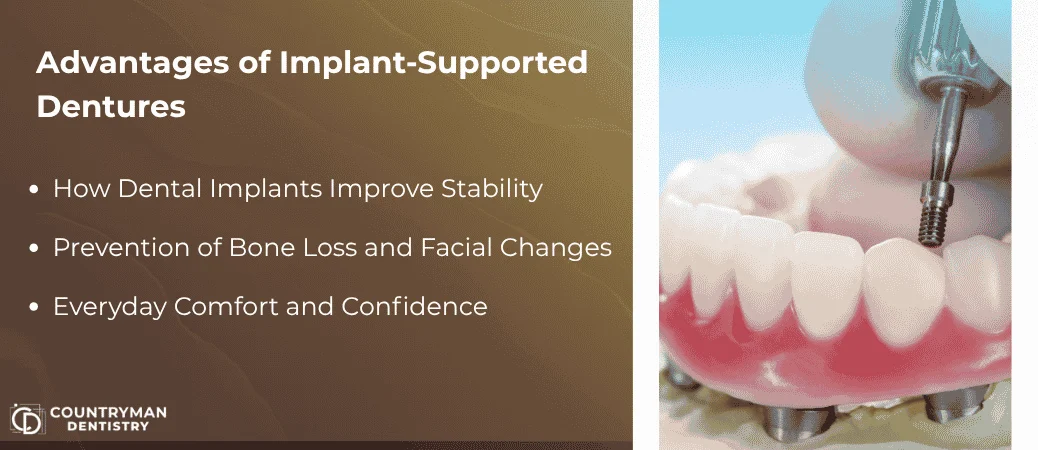
Implant-supported dentures anchor to dental implants placed in your jawbone. These small titanium implants act like tooth roots. Over time, they bond with your bone through a process called osseointegration.
This bond creates a firm base for your new teeth. You can choose between:
- Snap-on dentures (also called an implant overdenture) that click into place and remove for cleaning
- Fixed implant dentures that stay in place and only your dentist removes
- Full-arch options like all-on-4 or all-on-6, which support a full set of teeth with fewer implants
Because the denture connects to implants instead of resting on soft tissue, it does not slide or wobble. Many patients switch after learning how implant-supported dentures won’t shift, slip or wobble.
You gain stronger biting power and better control when you eat.
Prevention of Bone Loss and Facial Changes
When you lose teeth, your jawbone no longer gets pressure from tooth roots. Over time, the bone shrinks.
An implant denture places implants into the jawbone, where they act like roots. This stimulation helps support jawbone health. Acting sooner often preserves more treatment choices, since bone loss can limit options later.
Many patients learn that jawbone gradually loses density over time without root stimulation.
Bone loss can also change your face shape. Your lips may look thinner, and your lower face may appear shorter.
By supporting the bone, implant dentures help maintain your natural facial structure. This matters if you want a stable, long-term full-mouth restoration that protects both function and appearance.
Everyday Comfort and Confidence
Loose dentures can rub your gums and create sore spots. You may rely on adhesive and still worry about movement.
With implant supported dentures, the base stays secure. You can eat firmer foods without fear that your teeth will lift or tilt. You also speak more clearly because the denture does not shift against your tongue.
Many people prefer an implant-supported bridge or fixed implant dentures because they feel closer to natural teeth. Others like snap-on dentures since they remove easily for cleaning.
In daily life, small details matter. You can laugh, talk, and eat in public without checking your denture position. That steady fit often brings a strong sense of control and comfort.
The Process of Transitioning to Implant-Supported Options
You move from loose dentures to implants through careful exams, a planned surgery, and a healing period. Each step focuses on building a stable base in your jaw and giving you a denture that stays secure when you eat and speak.
Evaluating Implant Candidacy
You start with a full exam by an experienced implant dentist. They check your gums, jawbone, and overall health.
Your dentist will take X-rays or 3D scans to measure bone height and width. You must have enough bone to support implant placement.
If your jaw has shrunk over time, your dentist may suggest bone grafting to rebuild lost volume.
A bone graft adds material to weak areas of your jaw. Over a few months, your body heals and forms new bone around the graft.
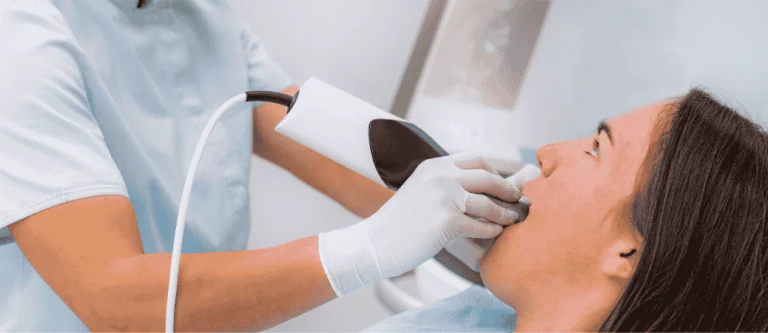
Your dentist may also take digital impressions of your mouth. These scans help plan the exact position of each implant.
To understand how implant-supported dentures work and who qualifies. It explains why strong bone and healthy gums matter.
Understanding the Surgical Steps
During implant surgery, your dentist places small titanium posts into your jawbone. These posts act like artificial tooth roots.
The procedure usually takes one to two hours per arch. Your dentist uses local anesthesia, and sometimes sedation, to keep you comfortable.
After implant placement, your bone must heal around the posts. This process is called osseointegration. It often takes three to six months.
In some cases, your dentist can attach a temporary denture the same day. In other cases, you wear a healing denture while the implants bond with your bone.
Types of Implant-Supported Denture Systems
You can choose between removable implant-supported dentures and fixed systems. Your bone health, budget, and cleaning habits will guide this choice.
Removable systems (snap-on dentures):
- Attach to implants with special connectors
- Stay firm while you eat
- Come out daily for cleaning
Fixed systems (hybrid dentures):
- Screw onto implants
- Do not come out at home
- Feel closer to natural teeth
Some full-arch options use four implants to hold one arch in place.
Your dentist will explain how many implants you need and how each system affects daily care.
What to Expect During Recovery
You can expect mild swelling and soreness for a few days after implant surgery. Ice packs and prescribed medication help control discomfort.
You should eat soft foods while your implants heal. Avoid hard or sticky foods that can stress the surgical area.
Your dentist will schedule follow-up visits to check healing and adjust your denture. Good home care matters. Brush carefully and keep the implant area clean to prevent infection.
Healing times vary. Most people return to normal routines within a few days, but full bone bonding takes several months.
With steady care and regular visits, your new denture will feel stable and secure in daily life.
Long-Term Care and Maintenance
You protect your comfort and your investment when you follow a clear daily cleaning routine and keep regular dental visits. Small habits each day prevent bigger problems later.
Cleaning Tips and Oral Hygiene
You need to clean implant-supported dentures every day, even though they feel more secure than loose dentures.
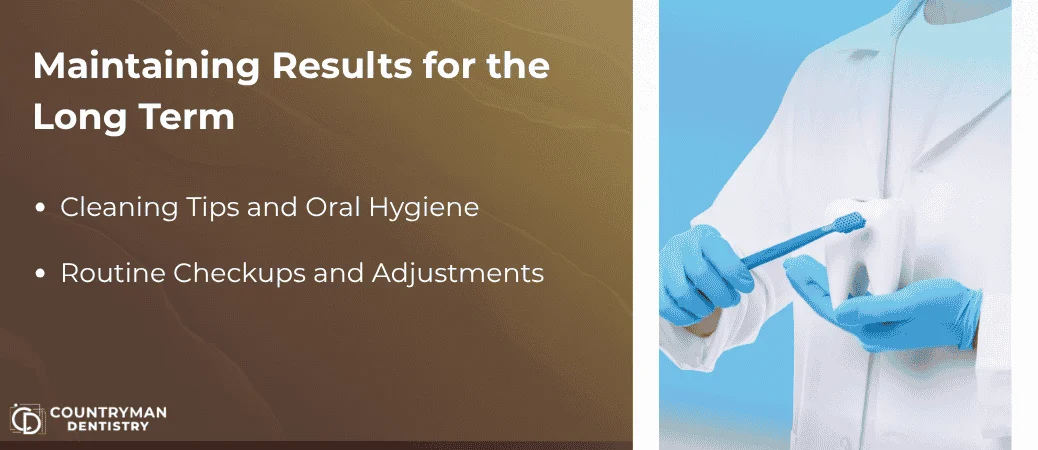
Start by removing food debris after meals. Rinse your denture and use a soft brush with a nonabrasive cleanser to clean all surfaces. Avoid hot water, which can warp denture materials.
If your denture snaps onto implants, clean around the implant posts carefully. A water flosser helps flush out food and plaque under the denture and around the gumline. Many people find it easier than string floss.
At night, follow your dentist’s advice. Some implant-supported options stay in place, while others should be removed and soaked in water or denture solution to keep their shape and prevent drying.
If you wear temporary teeth during the healing phase, handle them gently and follow all cleaning steps closely. They protect your implants while your mouth heals.
Routine Checkups and Adjustments
Even stable implant-supported dentures need regular checkups. Plan to see your dentist or prosthodontist at least once a year, or more often if advised.
During these visits, your provider checks the implants, the denture base, and your gum health. They may take X-rays to confirm the implants remain secure in the bone.
Your dentist may also perform a bite analysis. This test shows how your upper and lower teeth meet. An uneven bite can strain implants and cause wear or discomfort.
Watch for warning signs between visits:
- Soreness around implants
- Clicking or shifting when you chew
- Cracks or worn denture teeth
- Changes in how your bite feels
Report these issues early. Quick adjustments prevent damage and help your denture last longer.
Cost Considerations and Choosing the Right Option
You need clear numbers and honest advice before you decide. Costs vary widely, and your dentist can help you weigh price against comfort, fit, and long-term value.

Comparing Costs of Various Denture Solutions
The cost of dentures depends on the type you choose. Traditional removable dentures usually cost less upfront than implant options.
A full set of basic upper and lower dentures often ranges from $800 to $1,500. Higher-end materials and custom fits increase that price.
Implant-supported dentures cost more because they involve surgery and implant dentistry. These can range from $6,000 to $30,000, depending on how many implants you need and the materials used.
Here is a simple comparison:
| Option | Upfront Cost | Surgery | Longevity |
| Removable dentures | Lower | No | 5+ years with replacement |
| Implant-supported dentures | Higher | Yes | 10+ years, often longer |
You should also consider maintenance. Removable dentures may need relining or replacement as your jaw changes shape.
Implants cost more at first, but they often last longer and reduce bone loss, which may lower future dental expenses.
Working With Dental Professionals for Best Outcomes
You should not choose based on price alone. A dentist trained in implant dentistry can assess your bone health, gum condition, and bite before recommending a solution.
During your visit, ask for a detailed breakdown of:
- Procedure fees
- Imaging and scans
- Follow-up visits
- Possible bone graft costs
If your dentures feel loose now, your dentist can check the fit and see if adjustments will help. Sometimes a reline solves the problem. Other times, your jawbone has shrunk too much for removable dentures to stay stable.
Implant-supported options often use four to six implants per arch. This design improves stability and helps protect your jawbone.
You deserve a plan that fits your health, comfort, and budget. Clear communication with your dental team makes that decision easier and more confident.
Frequently Asked Questions
Loose dentures often result from bone shrinkage, worn materials, or changes in your gums. Implant options improve stability, protect your jawbone, and expand what you can eat and say with confidence.
Why do dentures become loose over time, and what can be done to fix them?
Your jawbone shrinks after tooth loss because it no longer gets pressure from natural tooth roots. This shrinkage changes the shape of your gums, so your denture no longer fits well.
Daily wear also thins the acrylic base and teeth. Most traditional dentures last about five to seven years before they need replacement or major adjustment.
You can try a professional reline to reshape the inside of the denture. Adhesives may help for short periods, but they do not stop bone loss.
If slipping continues, you may want to learn why dentures keep shifting and how implants improve stability.
What signs suggest it may be time to switch from traditional dentures to implant-supported options?
You may notice your dentures lift when you talk or click when you chew. You might also use adhesive every day just to feel secure.
Sore spots, gum irritation, and avoiding firm foods are common warning signs. If you feel anxious about laughing or eating in public, the fit likely needs more than a simple adjustment.
When relines stop helping, implant support often provides a more stable long-term fix.
How much do implant-retained (snap-in) dentures typically cost?
The cost depends on how many implants your dentist places and whether you treat one or both arches. In many cases, the upper denture needs four implants, while the lower may need two.
Your total cost also includes imaging, surgery, attachments, and the denture itself. Your dentist will give you a clear estimate after an exam.
What’s the difference between implant-retained dentures and implant-supported dentures?
Dentists often use these terms in similar ways, but they can describe different levels of support.
Implant-retained dentures usually snap onto two to four implants. They stay secure during use but you remove them daily for cleaning.
Implant-supported dentures may use more implants and can be fixed in place. Some designs only a dentist can remove, which gives you a stronger and more stable bite.
How do implant-retained dentures compare with All-on-4 in terms of stability, treatment time, and maintenance?
Snap-in dentures use fewer implants and often cost less at the start. You remove them each night to clean both the denture and the implants.
All-on-4 uses four or more implants to hold a fixed bridge. You do not remove it at home, and it often feels closer to natural teeth in stability.
Treatment time depends on your bone health and healing speed. Fixed options may require more planning and sometimes bone grafting, but they reduce daily handling and adhesive use.
Can implant-supported options work for partial dentures or bridges if I’m missing only some teeth?
Yes, implants can anchor partial dentures or fixed bridges when you still have some natural teeth.
An implant can replace a single missing tooth or support a bridge without relying on nearby teeth. This approach helps protect your remaining teeth and keeps your bite more even.
If you are missing several teeth in one area, your dentist may place two or more implants to hold a partial denture securely.