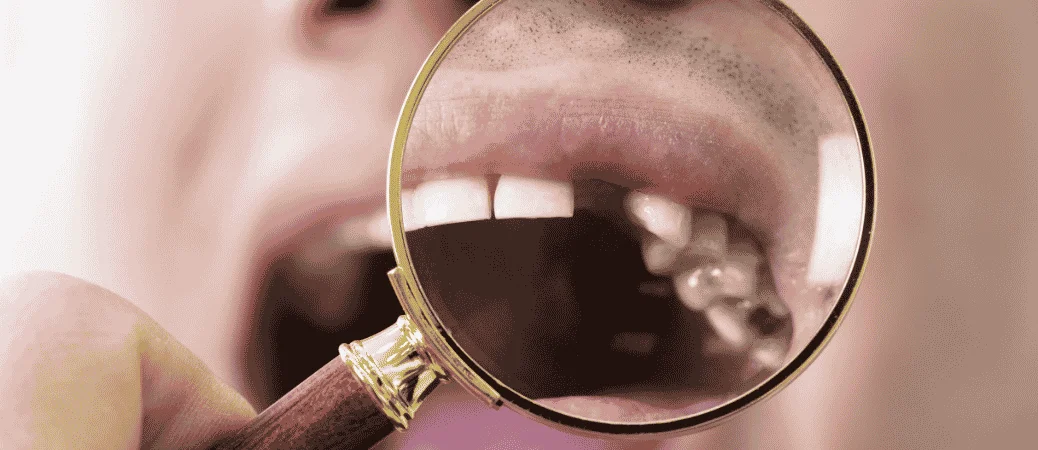
You might think a single missing tooth is not a big deal. If you can still chew and smile, it feels easy to ignore. But that empty space can change more than you expect.
If you don’t replace a missing tooth for too long, you risk bone loss, shifting teeth, bite problems, and other oral health issues that grow worse over time.
The jawbone in that area can shrink, nearby teeth can drift, and extra pressure can strain the rest of your smile. Over time, these changes can affect how you eat, speak, and care for your oral health.
Tooth loss does not just leave a gap. It can set off a chain reaction that impacts your comfort, your bite, and the long-term health of your mouth.
Understanding the consequences of missing teeth helps you see why acting early protects more than your smile.
Key Takeaways
- A missing tooth can lead to bone loss and shifting teeth over time.
- Ignoring tooth loss can harm your bite and overall oral health.
- Early treatment helps prevent bigger and more costly problems.
Table of Content
- How a Missing Tooth Disrupts Your Smile and Bite
- Bone Loss and Jawbone Deterioration
- Oral Health Consequences Beyond the Gap
- Functional and Lifestyle Impacts Over Time
- Options to Replace Missing Teeth and Prevent Complications
- Why Acting Early Protects Your Oral Health
- Frequently Asked Questions
How a Missing Tooth Disrupts Your Smile and Bite
When you lose a tooth, your mouth does not stay the same. The space affects how your teeth sit, how your bite lines up, and how well you chew each day.

Shifting and Drifting of Surrounding Teeth
After you lose a tooth, the teeth next to the gap begin to move. This shifting of surrounding teeth can start within months.
Your teeth naturally lean toward open space. Over time, they may tilt or rotate. The tooth across from the gap can also move up or down because it no longer has contact.
This movement is often called teeth drift. It can change how your smile looks and make cleaning harder.
Food and plaque collect in new tight or uneven spaces. That raises your risk of cavities and gum problems.
Many dentists explain the long-term risks in detail, including bone loss and shifting teeth. The key point is simple: your teeth depend on each other for support.
When one tooth is gone, the balance changes.
Bite Changes and Malocclusion
As teeth shift, your bite alignment changes. Your upper and lower teeth may no longer meet evenly.
This can lead to malocclusion, which means your bite does not fit together the right way. Even a single missing molar can cause this problem.
You may notice:
- Uneven pressure when you chew
- Clicking or popping in your jaw
- Mild to ongoing jaw pain
- Headaches or muscle tension
When your bite is off, some teeth hit too hard while others barely touch. This uneven force can wear down enamel and stress your jaw joints.
Over time, small changes can turn into bigger bite problems. You may not see the shift right away, but you can feel it when your teeth no longer come together the way they used to.
Bite Stability and Chewing Function
Your teeth work as a team when you chew. A missing tooth, especially a missing molar, reduces your bite stability.
Molars handle most of the heavy chewing. When one is gone, the nearby teeth take on more force. This extra pressure can strain them and increase the risk of cracks or wear.
You may start to chew on only one side. That can lead to:
- Difficulty chewing certain foods
- Jaw muscle soreness
- Faster wear on one side of your mouth
Poor chewing also affects how well you break down food. Larger food pieces can make digestion less comfortable.
Healthy chewing helps support jawbone health because regular pressure keeps the bone active. When you stop using part of your bite, the bone in that area can shrink over time.
Replacing the missing space helps restore balance, protect your remaining teeth, and improve daily comfort when you eat.
Bone Loss and Jawbone Deterioration
When you lose a tooth, your jaw no longer gets the pressure it needs to stay strong. Without that pressure, bone loss in the jaw can start quickly and change your bite, face shape, and long-term bone health.
Bone Resorption After Tooth Loss
Your tooth roots press into the jawbone every time you chew. That pressure keeps the bone active and healthy.
When you lose a tooth, that stimulation stops. The body begins a process called bone resorption, which means it slowly breaks down the unused bone.
Research shows that bone loss in the jaw can begin within the first few months after tooth loss. In fact, the bone under a missing tooth often shrinks in width first, then in height.
As the bone shrinks, nearby teeth may shift into the empty space. This can change how your teeth fit together and lead to uneven wear or jaw discomfort.
Facial Sagging and Premature Aging
Your jawbone supports more than teeth. It also supports your cheeks and lips.
When jawbone deterioration happens, the lower part of your face can lose support. This may cause:
- Thinner lips
- Sunken cheeks
- More lines around the mouth
These changes can create facial sagging and signs of premature aging. Even if the missing tooth sits in the back, bone loss can still affect your facial shape over time.
You may also notice changes in how you chew or speak. A missing tooth does more than leave a gap. It can slowly affect your appearance and daily comfort.
Many dental experts warn about the long-term effects of missing teeth because these changes often happen quietly.
Advanced Bone Loss and Bone Grafting
If you wait too long, jawbone loss can become severe. The bone may shrink so much that it cannot support a dental implant.
At that stage, your dentist may recommend a bone graft. During bone grafting, the dentist places special material in the weak area to rebuild bone volume.
Bone grafting can:
- Restore lost bone height or width
- Improve bone health
- Create a stable base for implants
More complex cases may require advanced procedures, especially if bone loss in the jaw has progressed for years. Many clinics explain the risks of ignoring a missing tooth because delayed care often means more treatment later.
Acting early can help you avoid extra surgery and protect your natural bone for the long term.
Oral Health Consequences Beyond the Gap
A missing tooth does more than leave an empty space. It changes how you clean your teeth, how pressure spreads when you chew, and how bacteria grow in your mouth.

Plaque Buildup and Gum Disease
When you lose a tooth, the space traps food and bacteria. Plaque buildup forms quickly along the edges of nearby teeth and under the gumline.
You may find it harder to brush and floss the open area. If you skip careful cleaning, plaque hardens into tartar. Tartar irritates your gums and makes them swell or bleed.
Early gum disease, also called gingivitis, can start in this spot. Signs include:
- Red or puffy gums
- Bleeding when you brush
- Bad breath that does not go away
If you ignore these signs, inflammation can spread to nearby teeth. Good oral hygiene becomes harder to maintain, and small problems turn into larger oral health problems.
Increased Risk of Tooth Decay
The teeth next to the gap often shift over time. This movement creates tight angles and small spaces that your toothbrush cannot reach well.
Plaque buildup in these spots raises your risk of tooth decay. Bacteria feed on sugars from food and produce acids. These acids attack the enamel and create cavities.
You may also chew more on one side of your mouth. This uneven pressure can wear down enamel faster and cause tiny cracks. Once enamel weakens, decay can move deeper into the tooth.
Untreated cavities can lead to severe pain, infection, and even root damage. What started as one missing tooth can increase your risk of losing another.
Periodontal Disease and Further Tooth Loss
If gum disease worsens, it can turn into periodontal disease. This condition affects the bone and tissues that hold your teeth in place.
Bacteria move below the gumline and trigger a strong immune response. Your body tries to fight the infection, but the process also breaks down bone and connective tissue.
You may notice:
- Gums pulling away from teeth
- Loose teeth
- Changes in how your teeth fit together
Bone loss from periodontal disease makes teeth unstable. Over time, this can lead to further tooth loss and serious oral health issues.
Ignoring one missing tooth can set off a chain reaction. Protecting your oral health early helps you avoid long-term damage.
Functional and Lifestyle Impacts Over Time
When you ignore a missing tooth, daily tasks like speaking and eating can change in clear ways. Over time, these shifts can affect your comfort, digestion, and self-esteem.
Speech Changes and Lips Development
Your teeth help control airflow when you speak. When one is missing, air can escape through the gap and cause speech changes.
You may notice a lisp, especially with “s,” “th,” or “f” sounds. This can turn into ongoing speech difficulties if your tongue starts to rest in the wrong spot.
Front teeth play a key role in clear speech. Without them, your tongue may press into the empty space. That habit can lead to lasting speech problems and strain in your jaw muscles.
If nearby teeth shift over time, your bite can change. A misaligned bite may also cause jaw pain, which can make speaking for long periods uncomfortable.
You might try to hide the gap by speaking less or covering your mouth. These small changes can affect how confident you feel in daily talks at work, school, or social events.
Digestive Issues From Inadequate Chewing
Chewing is the first step in digestion. When you have difficulty chewing on one side, you may swallow larger pieces of food.
Large food pieces force your stomach to work harder. This can lead to bloating, mild digestive issues, or discomfort after meals.
Missing back teeth often cause the most trouble. They do most of the grinding. Without them, you may avoid hard or fibrous foods like:
- Raw vegetables
- Nuts
- Lean meats
- Whole fruits
Over time, you may choose softer, processed foods instead. That shift can affect your nutrition and your long-term oral health.
You may also chew only on one side. This uneven pressure can strain your jaw joint and muscles, which may increase jaw pain.
Reduced Self-Esteem and Social Confidence
A visible gap can change how you feel about your smile. People often smile less and avoid eye contact.
You might feel self-conscious in photos or meetings. That can lower your self-esteem over time.
Even if the missing tooth sits in the back, you may still worry about bad breath or food getting stuck. These concerns can affect how freely you laugh or speak.
Living with missing teeth can slowly affect your quality of life. Many dentists explain that missing teeth can impact your ability to chew and speak properly, which ties directly to how you feel in daily life.
When you avoid smiling or speaking up, it can affect your social and work relationships. Small changes in confidence can build up over the years.
Options to Replace Missing Teeth and Prevent Complications
You have several reliable ways to replace missing teeth and protect your oral health. The right tooth replacement can restore your smile, support chewing, and help prevent bone loss in your jaw.
Dental Implants: A Natural-Looking Solution

Single tooth implants give you a strong and stable way to replace a missing tooth. A dental implant acts like a tooth root and sits in your jawbone. A crown attaches on top to match the color and shape of your natural teeth.
Many dentists consider implants the most durable and realistic option.
Implants help prevent bone loss because they stimulate the jawbone when you chew. Without that pressure, the bone can shrink over time. If you wait too long, you may need extra procedures before getting an implant.
Dental Bridges and Partial Dentures
Dental bridges and partial dentures offer other effective tooth replacement options. A dental bridge fills the gap by using nearby teeth for support. It stays fixed in place and does not come out.
Partial dentures are removable. They attach to your remaining teeth and can replace one or several missing teeth at once.
Both options can restore your smile and improve chewing. However, they do not replace the tooth root. That means they may not prevent bone loss in the same way implants do.
Dentures can also work well if you miss many teeth. Your dentist will check your gum health, bite, and budget before you decide.
Timely Tooth Replacement to Prevent Bone Loss
Time matters when you replace a missing tooth. After tooth loss, the jawbone in that area begins to shrink because it no longer gets pressure from a tooth root.
This shrinkage can change your bite and even affect your facial shape. Delaying treatment can also make future care more complex.
Many dentists warn about the risks of waiting too long to replace a missing tooth, especially when bone loss sets in.
If bone loss becomes severe, you may need a bone graft before placing a dental implant. Acting early keeps your options open and helps you avoid extra cost and treatment time.
Why Acting Early Protects Your Oral Health
When you replace a missing tooth early, you protect your long-term oral health. Your jawbone stays stronger because it keeps getting the pressure it needs from daily chewing.
If you wait too long, nearby teeth can drift into the open space. This shift can change your bite and may lead to problems that require orthodontic treatment later.
A poor bite does more than affect your smile. It can strain your jaw joints and increase your risk of TMJ disorders. You may notice jaw pain, clicking, or headaches if the joint becomes stressed.
Taking action early helps you avoid that chain reaction. It keeps your bite balanced and lowers the chance of developing a TMJ disorder.
Here is what early treatment helps you prevent:
- Bone loss in the jaw
- Shifting or crowded teeth
- Bite problems that stress your jaw
- Higher risk of gum disease
You also make daily care easier. Straight, stable teeth are simpler to brush and floss, which supports better overall oral health.
Small problems often grow over time. When you act early, you keep your mouth stable and reduce the need for more complex care later.
Frequently Asked Questions
Ignoring a missing tooth can lead to bone loss, shifting teeth, bite problems, and higher risk of decay and gum disease. Acting within the first few months often helps you avoid more complex and costly treatment.
What are the long-term effects of leaving a missing tooth untreated?
When you leave a gap for months or years, your jawbone in that area starts to shrink.
Research and dental experts note that bone can begin breaking down within the first year after tooth loss, which can change your face shape over time.
Your nearby teeth may tilt or drift into the open space. This can throw off your bite and lead to uneven wear, jaw discomfort, and even more tooth loss later.
Treatment also becomes more complex the longer you wait. You may need bone grafting before you can place an implant.
Can a missing tooth cause nearby teeth to shift out of place?
Yes, it can.
Your teeth rely on each other for support. When one tooth disappears, the teeth next to it often move toward the gap. The tooth above or below the space can also shift because it no longer has contact with its partner.
This movement can change how your teeth fit together. Over time, it can create bite problems that require orthodontic or restorative treatment.
Will bone loss happen in the jaw if a tooth isn’t replaced?
Yes. Your jawbone needs pressure from chewing to stay strong.
Without a tooth root in place, the bone in that area does not get the stimulation it needs.
Dentists warn that delaying replacement of a missing tooth can lead to bone loss, and that loss can continue if you do nothing.
As bone shrinks, your jaw may weaken in that spot. This can affect both your appearance and your future treatment options.
How can a missing tooth affect my bite, chewing, and speech over time?
You may start chewing more on one side of your mouth. This puts extra pressure on certain teeth and can cause faster wear or sensitivity.
If the gap sits near the front of your mouth, you might notice changes in how you pronounce sounds like “s,” “th,” or “f.” Even back teeth play a role in stable chewing and jaw balance.
As teeth shift, your bite can feel uneven. That imbalance can strain your jaw joints and muscles.
Could an untreated gap increase the risk of gum disease or tooth decay?
Yes, it can.
Food and plaque can collect in the empty space more easily. That buildup makes it harder to clean the area well with a toothbrush or floss.
Many dentists explain that ignoring a missing tooth can lead to bone loss, shifting teeth, and gum problems. Crowded or tilted teeth are also harder to clean, which raises your risk for cavities.
What replacement options are available, and when is the best time to act?
You can replace a missing tooth with a dental implant, a bridge, or a partial denture. Each option has different costs, timelines, and benefits.
Many dentists recommend starting the process within three to six months after tooth loss. Early treatment helps protect your bone and keeps nearby teeth in place.
If you have already waited, do not assume it is too late. A dentist can check your bone level and help you choose the best next step.