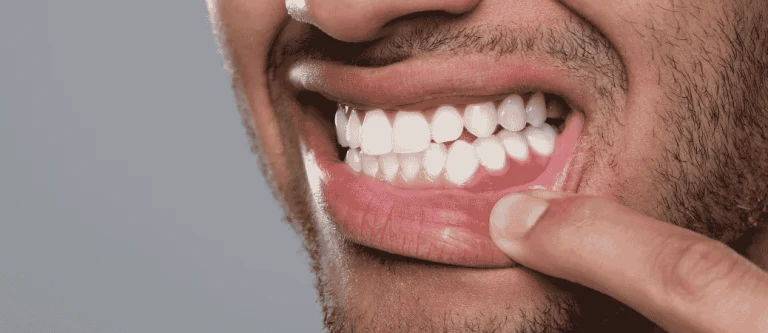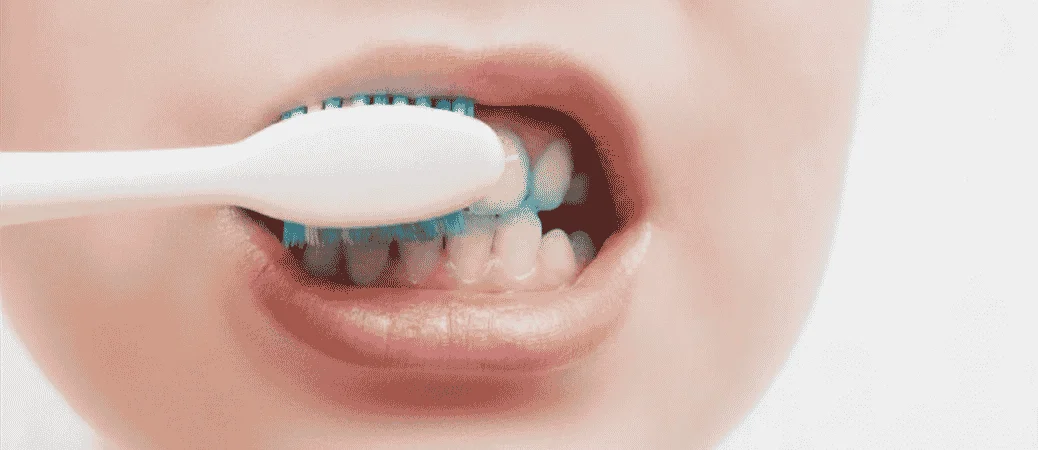
If you see blood in the sink after brushing your teeth, you might wonder if it’s something to worry about. Many people think bleeding gums are normal, but they’re actually a sign that something needs attention.
Bleeding gums treatment at early stage usually points to inflammation from plaque buildup and is often an early warning sign of gum disease that you shouldn’t ignore.
The good news is that when you catch bleeding gums early, the problem is often reversible with proper care. Your gums are trying to tell you something important about your oral health.
Understanding why bleeding happens and recognizing the warning signs can help you protect your teeth and gums before small issues turn into bigger problems.
Whether you’ve noticed bleeding once or it happens every time you brush, it’s worth knowing what causes it and when you should see a dentist. Taking action now can save you from more serious dental issues down the road.
Key Takeaways
- Bleeding gums are not normal and usually signal inflammation or early gum disease that needs attention
- Early gum problems are treatable and often reversible with proper oral hygiene and professional care
- Ignoring bleeding gums can lead to serious issues like gum recession, bone loss, and tooth loss over time
Table of Content
- Why Do Gums Bleed During Brushing?
- Recognizing Early Signs and Symptoms
- Dangers of Ignoring Bleeding Gums
- How Dentists Diagnose and Treat Bleeding Gums
- Prevention and Home Care for Healthier Gums
- Frequently Asked Questions
Why Do Gums Bleed During Brushing?
Bleeding gums usually signal that something needs attention in your mouth. Most often, the blood you see comes from inflammation caused by bacteria, but your brushing habits and certain health conditions can also play a role.
Key Causes of Bleeding Gums
Plaque buildup is the main reason your gums bleed when you brush. This sticky film of bacteria forms on your teeth throughout the day and irritates your gum tissue.
When plaque stays on your teeth for too long, it hardens into tartar. You can’t remove tartar with regular brushing at home. It builds up along your gum line and causes more irritation.
Gum disease starts with gingivitis, the earliest stage of infection. Your gums become red, swollen, and bleed easily during brushing or flossing.
Brushing too hard can damage healthy gum tissue. Using a hard-bristled toothbrush or scrubbing aggressively pushes your gums away from your teeth.
Your brushing technique matters more than how hard you press. Gentle circular motions work better than back-and-forth scrubbing.
Hormonal changes during pregnancy can make your gums more sensitive. Bleeding gums during pregnancy happens because increased hormone levels cause more blood flow to your gums. This condition is called pregnancy gingivitis.
Some medications thin your blood and make bleeding more likely. Vitamin deficiencies, especially vitamin C and vitamin K, can also cause your gums to bleed more easily.
Is It Normal for Gums to Bleed Every Day?
No, healthy gums should not bleed during your daily oral hygiene routine. Blood on your toothbrush or in the sink means your gums are inflamed or irritated.
Occasional bleeding might happen when you start flossing after a long break. Your gums need time to adjust to the new routine. This should stop within a week or two.
If your gums bleed every day for more than two weeks, you need to see a dentist. Daily bleeding usually points to plaque buildup leading to gingivitis.
Poor oral hygiene lets bacteria multiply around your teeth and gums. When you finally brush, the inflamed tissue bleeds easily.
Some people think bleeding gums mean they should avoid that area. This makes the problem worse because bacteria continue to build up.
When to Worry About Gum Bleeding

You should schedule a dental appointment if bleeding lasts more than 1-2 weeks. Persistent bleeding and bad breath that won’t go away are warning signs of advancing gum disease.
Watch for gums that pull away from your teeth or look swollen and tender. These symptoms mean the infection is spreading deeper into the tissue.
Untreated gum disease erodes the tissue, ligaments, and bone that hold your teeth in place. This leads to tooth loss if you don’t get treatment.
Heavy bleeding that doesn’t stop after a few minutes needs immediate attention. This could point to a blood-clotting disorder or other serious health problem.
Pain along with bleeding is another red flag. Healthy gums might be slightly tender, but sharp or constant pain suggests infection.
Recognizing Early Signs and Symptoms
Bleeding gums during brushing often signals the start of gum problems, but several other warning signs can appear alongside or before any bleeding occurs.
Understanding what healthy gums look like helps you spot changes early, while knowing when symptoms require professional attention can prevent serious damage to your teeth and gums.
Common Warning Signs to Watch For
The most common early signs are bleeding gums while brushing or flossing, along with redness or swelling around the gum line. These symptoms mean your gums are irritated and need attention.
Early signs of gum disease include:
- Bleeding that occurs during or after brushing and flossing
- Swollen or puffy gums that look larger than normal
- Gum inflammation with tender gums that hurt when touched
- Persistent bad breath that doesn’t go away after brushing
- A pink toothbrush after brushing your teeth
Inflamed gums often feel soft instead of firm. You might notice your gums look shiny or smooth rather than having their normal texture. Some people experience a bad taste in their mouth that lingers throughout the day.
These signs of gingivitis appear when plaque buildup irritates your gum tissue. Catching gum disease symptoms at this stage gives you the best chance to reverse the damage with proper care.
What Healthy Gums Look Like
Healthy gums are firm and fit snugly around your teeth. The color can range from light pink to dark pink and brown depending on your natural skin tone.
Your gums should not bleed during routine brushing and flossing. They should feel comfortable when you eat and clean your teeth. The tissue around each tooth should hug the tooth closely without any gaps or pockets.
When you look in the mirror, healthy gums appear even in color throughout your mouth. They don’t look shiny, swollen, or red. The edges of your gums create a smooth line where they meet your teeth.
If you notice changes from what’s normal for you, pay attention. Any shift in color, texture, or how your gums feel can be an early warning sign.
Persistent and Severe Symptoms
Advanced gum disease symptoms include gum recession where your gums pull away from your teeth, making them look longer than usual. You might see new spaces developing between your teeth that look like black triangles.
Receding gums create pockets where bacteria can collect. This leads to gum infection with pus between your teeth and gums. Loose teeth or painful chewing signal that the bone supporting your teeth has started to break down.
Chronic bad breath that won’t go away even after brushing points to deeper infection. Your bite might feel different when your teeth come together.
These severe symptoms mean the disease has progressed beyond the earliest stage and requires professional treatment right away.
When to Seek Dental Help
You should see your dentist if bleeding lasts more than 1-2 weeks, if bad breath sticks around, or if you notice swelling, tenderness, or gums pulling away from teeth. Don’t wait for symptoms to get worse.
Schedule an appointment as soon as possible if you spot any signs of gum disease. The sooner you get care, the better your chances of reversing damage. Even mild symptoms like occasional bleeding deserve attention from your dentist.
Regular dental checkups every 6 to 12 months help catch problems before you notice any symptoms. If you smoke, have diabetes, or take medications that cause dry mouth, you may need more frequent visits.
Dangers of Ignoring Bleeding Gums
When you ignore bleeding gums, you’re allowing a small problem to grow into something much more serious. What starts as inflammation can advance to severe gum disease, tooth loss, and even health problems beyond your mouth.
Gum Disease Progression and Health Risks
Bleeding gums usually signal gingivitis, which is the early stage of gum disease. At this point, your gums are inflamed from plaque buildup along the gum line.
If you don’t address it, gingivitis can progress to periodontitis, a much more serious condition. Periodontitis happens when the infection spreads below your gum line and starts attacking the tissues and bone that hold your teeth in place.
The bacteria from gum infection don’t just stay in one spot. They continue multiplying and creating deeper pockets between your teeth and gums.
These pockets become breeding grounds for more bacteria, creating a cycle of infection that gets harder to treat as time goes on.
Your body responds to this infection with chronic inflammation. This ongoing immune response can weaken the structures supporting your teeth and make the periodontal disease worse.
Impact on Tooth Loss and Gum Health
Untreated gum disease erodes the tissue, ligaments and bone that keep your teeth stable in your mouth. As these supporting structures break down, your teeth start to loosen.
You might notice your gums pulling away from your teeth, a condition called gum recession. This makes your teeth look longer and exposes the sensitive root surfaces.
The damage happens gradually but steadily. First, you might feel slight movement when you touch a tooth. Eventually, the bone loss becomes so severe that teeth can fall out or need to be removed.
Tooth loss affects more than just your smile. It makes eating difficult, changes how you speak, and can cause the remaining teeth to shift out of position. Replacing lost teeth requires expensive procedures like dental implants or bridges.
Systemic Health Links and Complications
The problems from bleeding gums don’t stop at your mouth. Research shows connections between periodontal disease and several serious health conditions throughout your body.
The bacteria from gum infections can enter your bloodstream through the bleeding areas in your gums. Once in your blood, these bacteria can travel to other parts of your body.
People with gum disease have higher risks for:
- Heart disease and stroke
- Diabetes complications and blood sugar control problems
- Respiratory infections from breathing in oral bacteria
- Pregnancy complications including premature birth
The inflammation from gum disease adds to inflammation elsewhere in your body. This makes existing health conditions harder to manage and can trigger new problems you didn’t have before.
How Dentists Diagnose and Treat Bleeding Gums
Your dentist uses specific tests and procedures to find out why your gums are bleeding and create a treatment plan that addresses the root cause.
The approach ranges from basic cleanings to more advanced procedures depending on how severe your gum problem is.
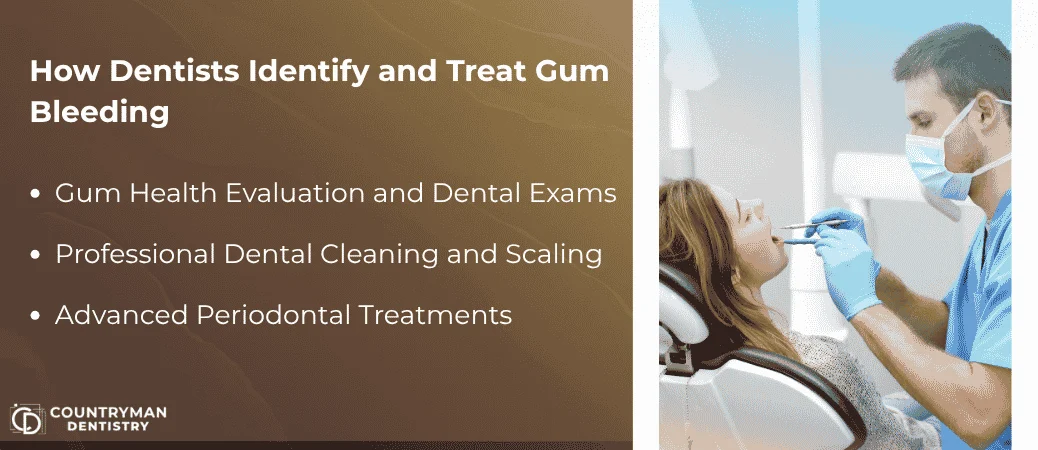
Gum Health Evaluation and Dental Exams
When you visit a dentist for bleeding gums, they start with a thorough examination of your mouth. They check your gums for signs of swelling, redness, and inflammation.
Your dentist will measure the depth of the pockets between your teeth and gums using a special tool called a probe.
Healthy gums have pockets that are 1 to 3 millimeters deep. Pockets deeper than 4 millimeters often indicate gum disease.
Your dentist may also take dental x-rays to see if there’s any bone loss around your teeth. These images help them understand how far the disease has progressed.
During regular dental checkups, your dentist looks for plaque and tartar buildup along your gum line, which are common causes of bleeding.
Professional Dental Cleaning and Scaling
A professional dental cleaning removes plaque and tartar that you can’t get rid of with regular brushing and flossing at home. Your dental hygienist uses special tools to clean above and below your gum line.
If you have early gum disease, scaling and root planing may be recommended. This deep cleaning procedure removes bacteria and tartar from below the gum line. Root planing smooths the tooth roots so your gums can reattach properly.
Many people see improvement in their bleeding gums after just one or two dental cleaning sessions. Your dentist might also prescribe antibiotics to help fight infection and reduce inflammation in your gums.
Advanced Periodontal Treatments
When gum disease has progressed beyond the early stages, you may need more advanced treatments. Osseous surgery reduces the size of pockets around your teeth by reshaping the bone that supports them.
Laser periodontal surgery is another option that removes diseased tissue and bacteria with less pain and faster healing than traditional surgery.
Your periodontist uses a laser to target infected areas while leaving healthy tissue intact.
Some patients need tissue grafts to rebuild gums that have receded due to advanced gum disease. These treatments work best when combined with improved oral care at home and regular follow-up visits with your dental team.
Prevention and Home Care for Healthier Gums
Good daily oral care and the right products can stop bleeding before it starts. Small changes to your brushing habits, diet, and lifestyle protect your gums and reduce inflammation.
Oral Hygiene Best Practices
Proper brushing technique matters more than how often you brush. Hold your soft-bristled toothbrush at a 45-degree angle to your gums and use gentle circular motions.
Brush for two minutes twice a day, making sure to clean along the gum line where plaque builds up.
You need to floss every day to remove bacteria between teeth that your brush can’t reach. If you’re just starting to floss, your gums might bleed for the first 7-10 days. This is normal and will stop as your gum health improves.
Using antibacterial mouthwash after brushing helps kill bacteria that cause inflammation. Look for alcohol-free options to avoid irritation. Rinsing doesn’t replace brushing or flossing, but it adds extra protection against plaque buildup.
Choosing the Right Tools and Products
Your toothbrush choice directly affects your gum health. Always use an extra-soft or soft-bristled toothbrush to prevent damage to delicate gum tissue.
Hard bristles can wear away the protective outer layer of your gums and lead to recession.
Replace your toothbrush every three months or sooner if the bristles look worn. Old brushes don’t clean as well and can harbor bacteria.
For mouthwash, pick products with antibacterial properties but without alcohol. Alcohol-based rinses can dry out your mouth and irritate already sensitive gums.
If a specific toothpaste or rinse bothers your mouth, switch to a gentler formula designed for sensitive gums.
Diet, Lifestyle, and Home Remedies

What you eat affects your oral health. Increase your intake of fruits and vegetables while cutting back on sugary snacks, sodas, and caffeinated drinks. Vitamin C helps strengthen gum tissue and supports healing.
A salt water rinse reduces swelling and eases inflammation naturally. Mix half a teaspoon of salt in warm water and swish it around your mouth for 30 seconds. You can do this two to three times per day when your gums feel irritated.
Avoid tobacco and limit alcohol since both products irritate gums and make swelling worse. If you take blood thinners or other medications, talk to your doctor about how they might affect your gums.
Stay hydrated throughout the day to help your mouth produce enough saliva, which naturally fights bacteria.
Frequently Asked Questions
Bleeding gums raise many questions about what’s normal, what causes the problem, and when to get help. Understanding the difference between temporary irritation and signs of gum disease can help you protect your oral health.
Is it normal for my gums to bleed when I brush or floss?
Healthy gums should not bleed during regular brushing and flossing. Occasional bleeding can happen if you recently started flossing or brushed too hard, but this should stop within a few days.
If you see blood regularly, it points to a problem that needs attention. Bleeding that continues for more than one to two weeks is not normal and requires a dental checkup.
What are the earliest signs of gingivitis I should watch for?
Bleeding when you brush or floss is often the first warning sign of gingivitis. You might also notice your gums look red or swollen instead of pink and firm.
Bad breath that doesn’t go away even after brushing can signal early gum disease. Your gums might feel tender or sensitive when you touch them or eat certain foods.
Some people notice a slightly different taste in their mouth. These early signs are your body’s way of telling you that plaque is building up along your gum line.
What vitamin or mineral deficiencies can cause bleeding gums?
Vitamin C deficiency is one of the most common nutritional causes of bleeding gums. Without enough vitamin C, your gum tissue becomes weak and bleeds more easily.
Vitamin K plays a key role in blood clotting, so low levels can lead to bleeding gums and other bleeding problems. A lack of vitamin B12 or folate can also affect your gum health and make bleeding more likely.
If you eat a balanced diet with fruits, vegetables, and whole foods, you’re less likely to develop these deficiencies. Talk to your doctor if you think nutrition might be causing your symptoms.
How can I tell if my bleeding gums are from brushing too hard or from gum disease?
Bleeding from brushing too hard usually happens right after you switch to a harder toothbrush or use more pressure than normal. This type of bleeding should improve within a few days once you use a softer touch.
Bleeding from gum disease happens regularly, even when you brush gently with a soft-bristled brush. You’ll likely notice other signs like persistent bad breath, swollen gums, or gums that pull away from your teeth.
If switching to gentler brushing doesn’t stop the bleeding within a week, gum disease is probably the cause. Pay attention to whether the bleeding happens in the same spots each time or all over your mouth.
What are the best at-home steps to help stop bleeding gums and improve gum health?
Brush your teeth two to three times a day with a soft-bristled toothbrush. Floss once daily to remove plaque between your teeth where your toothbrush can’t reach.
Rinse your mouth with warm salt water to reduce inflammation and help your gums heal. You can also use an antibacterial mouthwash to kill bacteria that cause gum problems.
Stop smoking if you currently smoke, as tobacco makes gum disease worse and slows healing. Make sure you’re using proper brushing technique by cleaning gently along the gum line where plaque builds up.
When should I see a dentist about bleeding gums, and what treatments might be needed?
See your dentist if bleeding continues for more than two weeks, even with improved home care. You should also schedule an appointment if you notice swelling, tenderness, or gums pulling away from your teeth.
Your dentist might recommend a professional cleaning to remove plaque and tartar you can’t get rid of at home. For more advanced gum disease, you may need tooth scaling and root planing, which is a deep cleaning below the gum line.
Some cases require antibiotics to fight infection or more advanced treatments like periodontal surgery. Your dentist might also order tests to check for underlying health conditions like diabetes or blood-clotting disorders if gum disease isn’t the cause.
Getting treatment at the first sign of bleeding is the best way to avoid serious gum disease. Don’t wait until the problem gets worse or causes tooth damage.