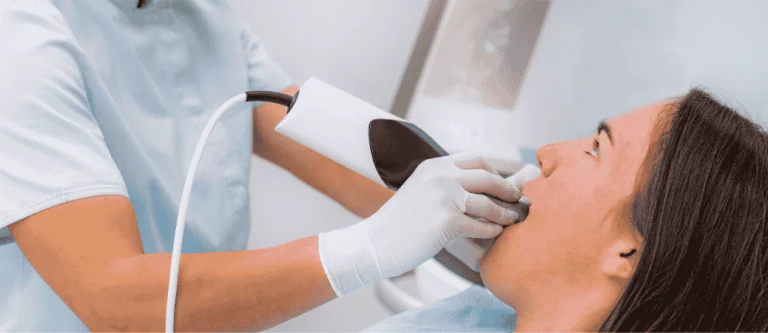
If you’ve noticed more of your tooth showing than usual, you might be dealing with gum recession. This happens when your gum tissue pulls back, exposing the root of your tooth underneath.
It’s a common issue, but catching it early and getting the right periodontic treatment can help protect your gums and prevent the problem from getting worse.
The good news is that while gingival recession can’t be reversed, you can stop it from getting worse with the right care and habits.
Understanding what causes your gums to recede, from brushing too hard to underlying gum disease, helps you take the right steps before the damage spreads.
A dentist can identify the exact cause and recommend gum recession treatment options that fit your specific situation.
Your oral health depends on catching problems like this early. This guide walks you through what to look for, why it happens, and what you can do right now to protect your smile for years to come.
Key Takeaways
- Gum tissue that pulls back exposes the tooth root and often comes with sensitivity or discomfort.
- Rough brushing, gum disease, genetics, and habits like grinding your teeth are common causes of this problem.
- Seeing a dental professional early allows for gentler treatment options and can help prevent further damage.
Table of Content
- What Gum Recession Looks and Feels Like
- The Main Reasons Gum Tissue Pulls Back
- Early Steps That Help Prevent Further Damage
- How a Dental Professional Finds the Cause
- Treatment Options Based on Severity
- Home Remedies and Long-Term Protection
- Frequently Asked Questions
What Gum Recession Looks and Feels Like
Your gums send warning signs before recession gets serious.
Knowing what healthy gums look like compared to receding gums helps you catch problems early, while following the right steps for cavity prevention for a healthy smile can further support your overall oral health.
The Difference Between Healthy Gums and Receding Gums
Healthy gums are firm and light pink. They sit snugly against your teeth without gaps or puffiness.
Receding gums look different. The gum tissue pulls back and shows more of your tooth than it should.
Here’s a quick comparison:
| Healthy Gums | Receding Gums |
| Even gum line across all teeth | Uneven or jagged gum line |
| Firm, pink color | Red, swollen, or pale patches |
| No visible root surfaces | Exposed tooth root near the base |
| Snug fit around each tooth | Small gaps or pockets forming |
If your gums look uneven or your teeth seem longer than usual, that’s often the first clue something is changing.
Early Changes Along the Gum Line
Recession usually starts small. You might notice a slight notch where your gum meets a tooth, especially near your canines or premolars.
Your gum line may also look like it’s slowly shifting downward on one or two teeth instead of all of them at once. This uneven pattern is common with brushing too hard or with teeth that are slightly crooked.
Some people notice gum bleeding while brushing or flossing. Others see a thin strip of tooth root peeking out that wasn’t there before.
These early changes are easy to miss if you’re not looking closely. Regular professional dental cleaning for a healthy smile can also help your dental team spot changes in your gums before they get worse.
Why Exposed Roots Cause Sensitive Teeth
When gum tissue pulls back, it uncovers the root of your tooth. Tooth roots aren’t protected by hard enamel like the crown of your tooth is.
Instead, roots are covered by a softer material called cementum. This layer wears down easily, which is why exposed tooth roots often lead to tooth sensitivity.
You may feel a quick, sharp pain when you eat something cold, hot, sweet, or acidic. Cold air can even trigger discomfort for some people.
This happens because the exposed root has tiny tubes that connect straight to the nerve inside your tooth. Once those tubes are open to the surface, everyday foods and drinks can set off that sensitive, zingy feeling.
The Main Reasons Gum Tissue Pulls Back
Gum recession usually doesn’t happen for just one reason. Your daily habits, your bite, and even things you can’t control like your genes can all play a part in why your gums are pulling away from your teeth.

Plaque, Tartar, and Periodontal Disease
Plaque is a sticky film of bacteria that builds up on your teeth every day. If you don’t remove it through brushing and flossing, it hardens into tartar, which only a dentist can remove.
Plaque buildup and tartar can lead to gingivitis, an early form of gum disease that causes red, swollen gums. Left untreated, gingivitis can turn into periodontitis, a more serious stage of periodontal disease.
Periodontitis damages the tissue and supporting bone that hold your teeth in place. As this bone loss continues, your gums pull back further, and pockets can form between your teeth and gums where more bacteria collect.
Over time, tooth loss can make the problem worse, so understanding the consequences of missing teeth can help you see why protecting your gums and supporting bone matters.
Aggressive Brushing and Incorrect Brushing Technique
You might think brushing harder cleans your teeth better, but that’s not true. Aggressive brushing wears down your gum tissue over time instead of protecting it.
Using a hard-bristled toothbrush or scrubbing back and forth can also cause damage. This kind of incorrect brushing technique puts too much pressure on your gum line.
Here’s what helps instead:
- Use a soft-bristled toothbrush
- Brush in gentle, circular motions
- Avoid pressing hard against your gums
- Replace your toothbrush every 3 months
Small changes to how you brush can make a big difference in protecting your gum tissue long term.
Teeth Grinding, Bite Problems, and Crooked Teeth
Teeth grinding, also called bruxism, puts constant pressure on your teeth and gums. This pressure can slowly cause your gums to recede, especially if you grind your teeth at night without knowing it.
The right teeth grinding treatment can help reduce this pressure and protect your teeth and gums from further damage.
Moreover, crooked teeth or a bad bite can also lead to recession. When teeth are misaligned, some areas may not be covered by enough gum or bone, making them more likely to wear down.
Moving your teeth into a healthier position can reduce the pressure that leads to gum recession.
Tobacco, Hormones, Genetics, and Other Risk Factors
Smoking and other tobacco use are major risk factors for gum recession. Tobacco makes it harder for your gums to fight infection and heal properly.
Hormonal changes matter too. Pregnancy and menopause can make your gums more sensitive and prone to recession due to shifts in hormone levels.
Genetics also plays a role. Some people are simply born with thinner gum tissue, making them more likely to experience recession even with good oral care.
Other factors include ill-fitting dentures, which can rub against your gums and cause irritation over time. Piercings, poor nutrition, and certain medications may also contribute to gum tissue pulling back.
Early Steps That Help Prevent Further Damage
Simple changes to your daily routine can make a real difference when you’re trying to stop receding gums from getting worse.
The right brushing habits, sensitivity products, and lifestyle choices all work together to protect the gum tissue you still have.
Use Gentle Daily Brushing and Flossing Habits

Brushing too hard is one of the top causes of gum recession. Switch to a soft-bristled toothbrush and hold it at a 45-degree angle against your gum line. Use short, gentle strokes instead of scrubbing back and forth.
An electric toothbrush can help too, since many models have pressure sensors that stop you from pushing too hard. This takes some of the guesswork out of your brushing technique.
Correct brushing techniques also include brushing for a full two minutes, twice a day, without rushing. Don’t skip flossing, either.
Gentle daily flossing removes plaque between teeth that a toothbrush can’t reach, which helps keep your oral hygiene routine complete.
Choose Products for Root Sensitivity Carefully
Once your gums start pulling back, exposed roots can become sensitive to hot, cold, or sweet foods. The right mouthwash can ease this discomfort while also protecting your gums from further harm.
Look for a mouthwash for receding gums that’s alcohol-free, since alcohol can dry out and irritate already sensitive tissue. The best mouthwash for receding gums typically contains fluoride, which strengthens the exposed root surface.
Toothpaste with desensitizing agents like potassium nitrate or stannous fluoride can also calm nerve pain over time, though it may take a few weeks to notice results.
Ask your dentist which products fit your specific situation, since everyone’s gum recession has different causes.
Reduce Grinding and Tobacco-Related Risks
Grinding your teeth at night puts extra pressure on your gums and can speed up recession.
If you grind your teeth, ask your dentist about a custom mouguard, it cushions your teeth and reduces the strain on your gum tissue while you sleep.
Smoking and other forms of tobacco use are also major risks. Tobacco reduces blood flow to your gums, which slows healing and makes infections more likely.
Quitting can lower your risk of further damage and support better overall gum health over time.
How a Dental Professional Finds the Cause
At Countryman Dentistry, your dentist can spot the early signs of gum recession before you even notice them yourself.
During your dental checkups, they check your gum health, measure bone support, and identify what may be causing your gums to pull back.
What Happens During a Gum and Bone Assessment
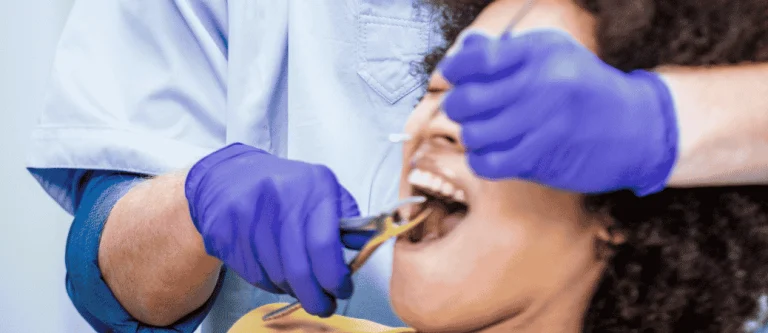
Your dental hygienist or dentist starts by looking at your gums and checking for visible root surfaces. They use a small tool called a periodontal probe to measure the space between your gum and tooth.
This tells them how much supporting bone you have left. Deeper pockets often mean more bone loss underneath.
They may also take X-rays to get a clear picture of your jawbone. This helps them see problems that aren’t visible just by looking in your mouth.
Your dentist will also ask about your brushing habits, any teeth grinding, and your family history. All of this helps them pinpoint the real cause of your gum recession.
When a Dentist May Refer You to a Periodontist
At Countryman Dentistry, if our dental team finds signs of advanced gum disease or major bone loss, we may recommend specialized periodontic treatment.
This usually happens when regular treatment isn’t enough to stop the recession. It may also be necessary if you need gum surgery, such as a gum graft, to cover exposed roots.
A periodontist has advanced training to manage complex gum problems. They can also identify warning signs of tooth loss and create a plan to protect your remaining teeth and supporting bone.
Warning Signs That Need Prompt Dental Care
Some symptoms mean you shouldn’t wait for your next scheduled visit. Watch for these signs:
- Sudden tooth sensitivity, especially to hot or cold foods
- Bleeding gums during brushing or flossing
- Loose teeth or teeth that feel like they’re shifting
- Visible gaps between your teeth and gum line
- Persistent bad breath that doesn’t go away with brushing
These signs can point to active gum disease or bone loss happening right now. Catching them early gives you a better chance to stop damage before it gets worse.
If you notice any of these signs, call your dentist right away. A professional dental cleaning combined with early treatment can often prevent more serious problems down the road.
Treatment Options Based on Severity
Your dentist will pick a treatment based on how much gum tissue you have lost and what caused it. Options range from a simple deep cleaning to full surgery, so your plan should match your specific case.
Deep Cleaning for Active Gum Disease
If gum disease is causing your recession, your dentist will likely start with scaling and root planing. This is a deep cleaning that removes plaque and tartar from below your gum line.
The process smooths out your tooth roots so gum tissue can reattach more easily. Your dentist may also place antibiotics directly under your gums to fight bacteria that a toothbrush can’t reach.
This step is important because you can’t treat receding gums caused by infection until the infection itself is under control.
Covering Exposed Roots Without Surgery
For mild cases, you may not need surgery at all. Your dentist can use composite resin to cover exposed roots, a process called composite restoration.
This tooth-colored material can cover exposed areas, reduce sensitivity, and improve the appearance of your gum line.
If appearance is also a concern, your dentist may discuss whether a smile makeover could address other cosmetic issues alongside your gum recession.
Another option is gum veneers. Depending on your needs, your dentist can explain how cosmetic solutions compare with treatments such as porcelain veneers and determine which approach makes sense for your smile.
Gum Grafting and Other Surgical Approaches
When gum recession is more advanced, you might need an oral surgery to restore gum tissue. There are a few types to know:
- Connective tissue graft: Tissue is taken from under a flap of skin on the roof of your mouth, called the palate, then stitched over the exposed root.
- Free gingival graft: A thin layer of tissue is taken directly from your palate and attached to the area needing more gum coverage.
- Pinhole surgical technique: Your dentist makes a small hole in existing gum tissue and gently shifts it to cover exposed roots, with no cutting or stitches needed.
Recovery from gum graft surgery usually takes about two weeks.
What Treatment Can and Cannot Restore
It helps to know what these treatments can actually fix. Gum tissue that has already receded will not grow back on its own, and no treatment can fully reverse receding gums to their original state.
What treatment can do is stop the recession from getting worse, cover exposed roots, and reduce sensitivity. Gum grafting can add tissue back to protect your roots and improve how your smile looks.
Getting treatment early matters. Left untreated, gum recession can lead to loose teeth and eventually tooth loss, so acting on symptoms early gives you the best results.
Home Remedies and Long-Term Protection
You can use home care to protect your gum health, but it’s important to know what these methods can and cannot do.
Let’s look at how to use natural remedies wisely, talk to your dentist about products you’re trying, and build a plan that keeps your gums healthy for years to come.
Why Home Remedies Cannot Regrow Lost Gum Tissue
It’s easy to hope that a home remedy will fix receding gums completely. But once gum tissue pulls away from your teeth, it won’t grow back on its own.
Many people try natural remedies for receding gums like oil pulling, aloe vera, or green tea. These can support your oral hygiene and may calm irritation, but they don’t rebuild lost tissue.
Some ingredients, like eucalyptus oil and green tea, contain compounds that may help reduce swelling. Products like septilin are sometimes mentioned for gum support too.
Discussing Herbal and Rinse Products With Your Dentist
Before you add any new rinse or herbal product to your routine, talk with your dentist first. This helps you avoid wasting time on things that won’t help, or worse, things that could irritate your gums.
For example, hydrogen peroxide mouthwash is popular for freshening breath. But using it too often or at a high strength can actually harm soft tissue. Your dentist can tell you if it’s safe for your situation.
The same goes for any mouthwash for receding gums that claims to reduce sensitivity or fight bacteria. Your dentist knows your mouth best, so ask before you buy anything new.
They can also point you toward products with real evidence behind them.
Creating a Follow-Up Plan for Lasting Gum Health

Protecting your smile means building habits that last, not just trying a product once and hoping for the best.
Start with the basics: brush gently twice a day and floss once daily to keep plaque from building up along your gum line.
Schedule regular dental checkups, ideally every six months, so small problems get caught early. During these visits, professional dental cleaning removes plaque and tartar that brushing alone can’t reach.
Your dental hygienist can also check your gums for early signs of recession and give you tips based on your specific needs.
Together, these steps help prevent gum recession from getting worse and support your gum health for the long run.
Frequently Asked Questions
Gum recession raises a lot of questions, especially when you first notice your teeth looking longer or feeling sensitive. Here are answers to the questions you’re most likely asking right now.
What causes gums to recede?
Your gums usually recede because of gum disease, brushing too hard, or genetics. Other common causes include smoking, teeth grinding, and crooked teeth.
Hormone changes and certain health conditions like diabetes can also play a role. If you notice recession, it’s worth thinking about which of these factors might apply to you.
Can receding gums grow back on their own?
No, gum tissue that has already pulled back won’t grow back by itself. Once it’s gone, it’s gone for good.
The good news is that you can stop it from getting worse with the right care. Catching it early gives you the best chance of protecting the gum tissue you still have.
How can I stop early gum recession from getting worse?
Switch to a soft-bristled toothbrush and use gentle, circular motions instead of scrubbing back and forth. Brushing too hard is one of the top reasons gums start to pull away.
You should also see your dentist regularly for cleanings to keep plaque and bacteria under control. If you grind your teeth at night, ask your dentist about a mouthguard to reduce pressure on your gums.
Can I treat receding gums at home without surgery?
Yes, mild cases can often be managed without surgery. Your dentist might suggest deep cleaning treatments like scaling and root planing to remove bacteria hiding below the gum line.
Using a desensitizing toothpaste can also help with any discomfort. Just remember that home care won’t reverse recession that’s already happened, but it can slow things down.
Why are my gums receding so quickly?
Fast recession is often a sign of active gum disease that hasn’t been treated yet. It can also happen if you brush too aggressively or use a hard-bristled brush every day.
Smoking and untreated teeth grinding can speed things up too. If your gums seem to be changing quickly, don’t wait. See your dentist so they can figure out the cause and start treatment right away.
Will receding gums cause my teeth to fall out?
Gum recession itself doesn’t directly cause your teeth to fall out. But if the underlying cause is gum disease and it isn’t treated, it can damage the bone and tissue that hold your teeth in place.
Over time, this can lead to loose teeth or tooth loss. That’s why it’s important to address recession early instead of waiting for it to become a bigger problem.